Siding is what we do most, and fiber cement is what we recommend first on the coast — James Hardie HZ10 doesn't rot, doesn't feed insects, and holds its dimension through Lowcountry heat. We install engineered wood and vinyl too, and we'll tell you plainly when one of them is the smarter buy for your exposure and budget. What never changes is the assembly behind the board: the taped weather barrier, the flashed terminations, and the clearances that keep wind-driven rain out of your framing.
Removal of existing cladding and inspection of sheathing
House wrap, seam taping, and window/door flashing integration
James Hardie HZ10 fiber cement — our primary recommendation on the coast
Engineered wood or vinyl where exposure and budget make them the better fit
Every product installed to the published manufacturer specification
Trim, corners, frieze, and transition detailing
Sealant at penetrations, fixtures, and terminations
Factory or field finish coordination
Hidden rot behind old siding is common here. We stop, show you, price the repair, and only then keep going.
Built for the Lowcountry
Wind, water, heat, humidity, salt.
01Drainage-plane detailing for wind-driven rain
02Stainless or coated fasteners where salt exposure demands it
03Clearances at grade and roofline to stop moisture wicking
04Coastal HZ10 fiber cement formulation, not the inland board
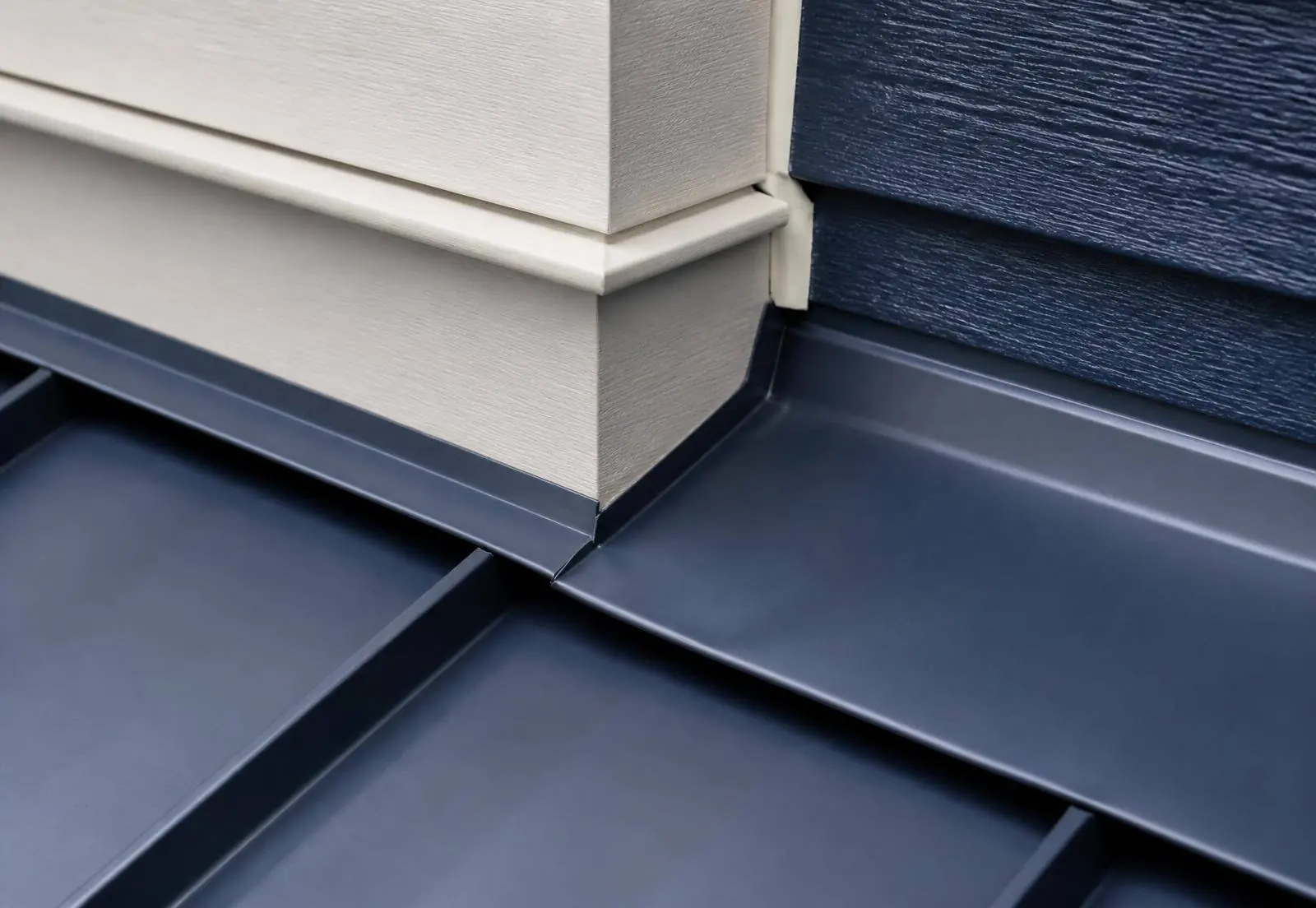
05Kick-out flashing at every roof-to-wall termination
Our Process
No surprises, start to finish.
01
Assessment
We check for moisture, rot, and prior water paths — including around windows, where most siding failures actually start.
02
Material & Scope
You choose product and finish with real samples. The proposal names the product line, fastening method, and warranty.
03
Build
One crew, one lead, one point of contact. We protect the site daily, communicate changes before they happen, and keep the schedule we gave you.
04
Walk & Warranty
We walk the finished work with you, correct anything on the punch list, and hand over written workmanship and manufacturer warranty documentation.
Before & After
What actually changes.
Not just a nicer photo. Each pair shows the failure we found and the detailing that keeps it from coming back in Lowcountry wind, water, heat, and salt air.
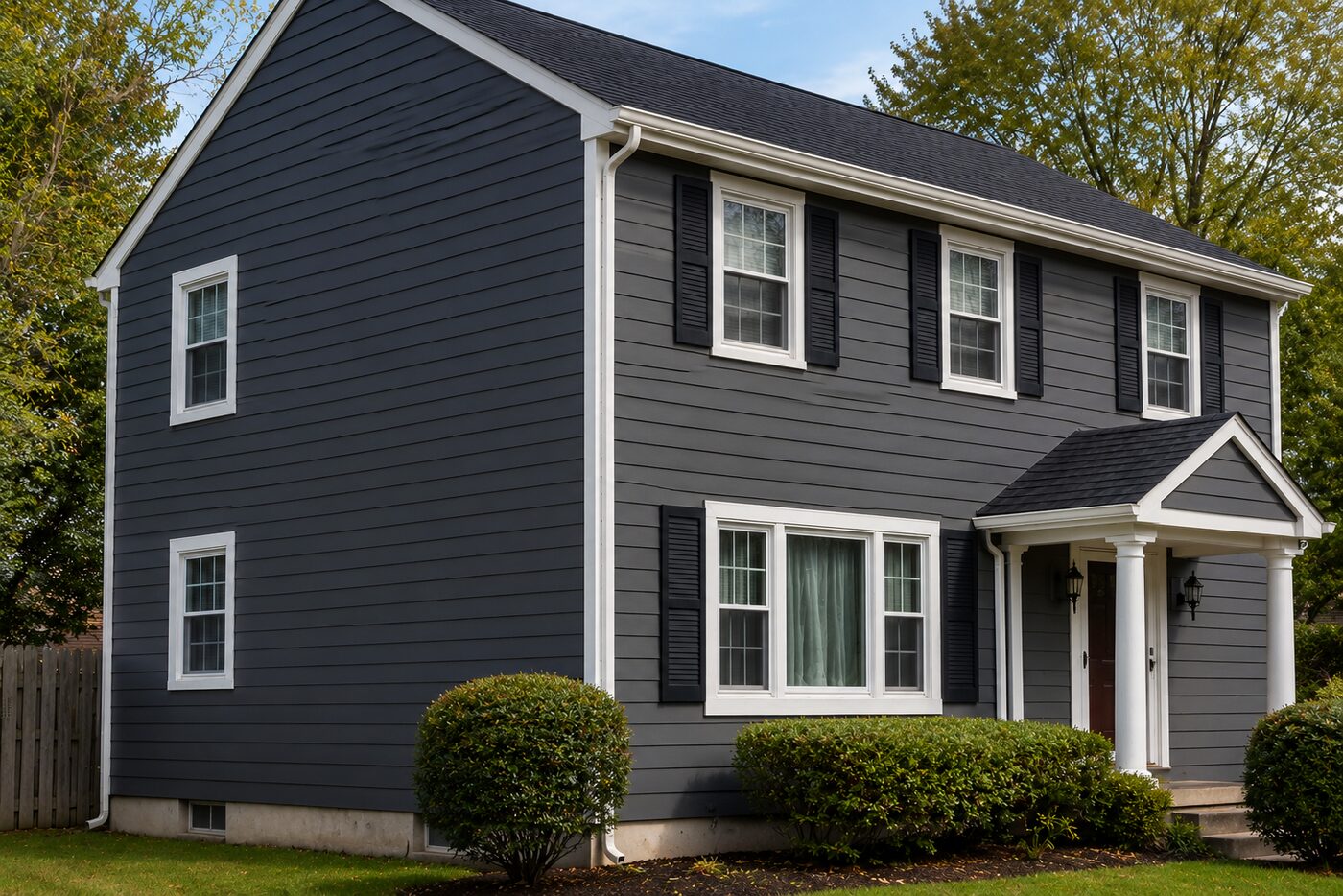
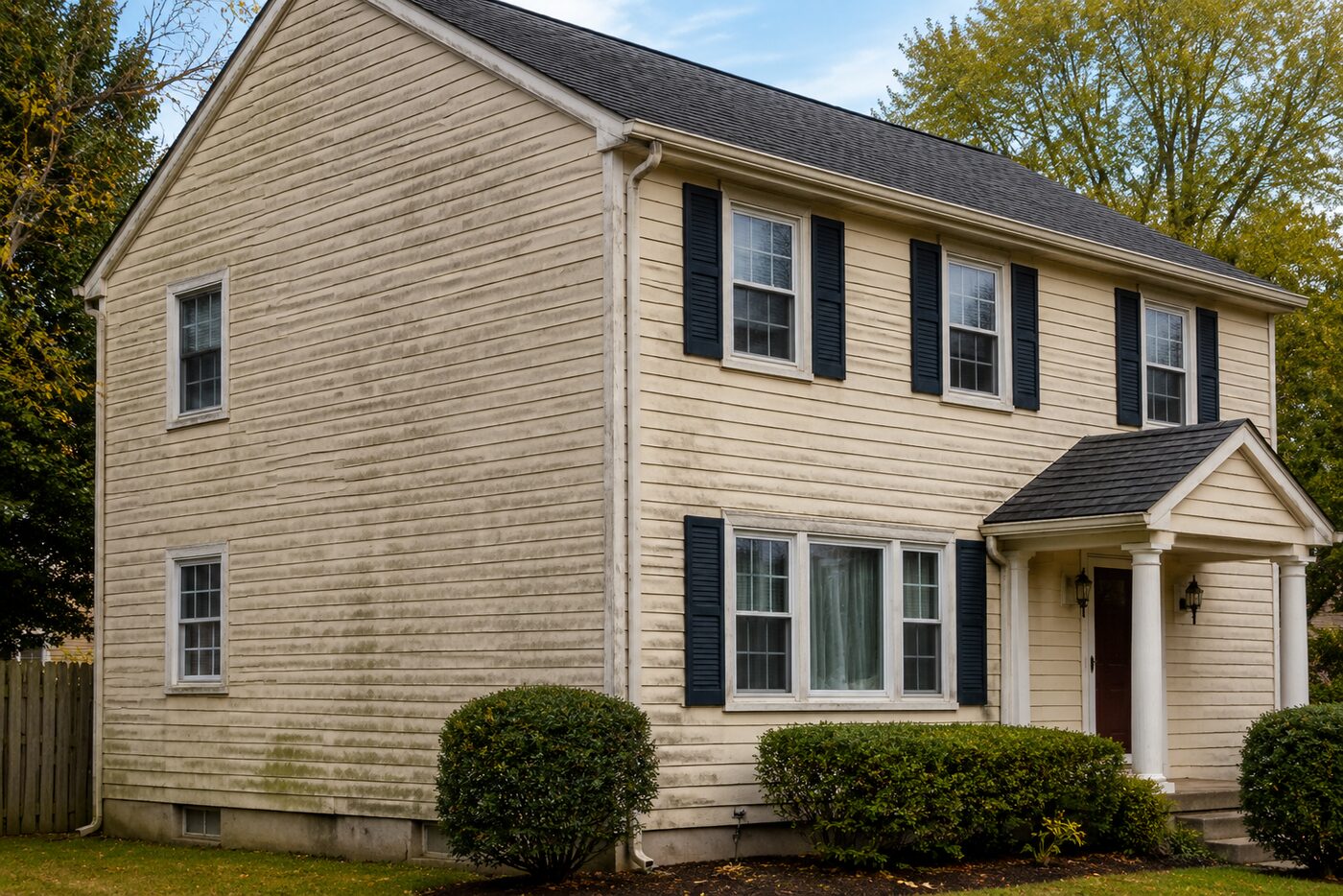
Weathered lap siding to fiber cement, Mount Pleasant
Drag to compare
BeforeAfter
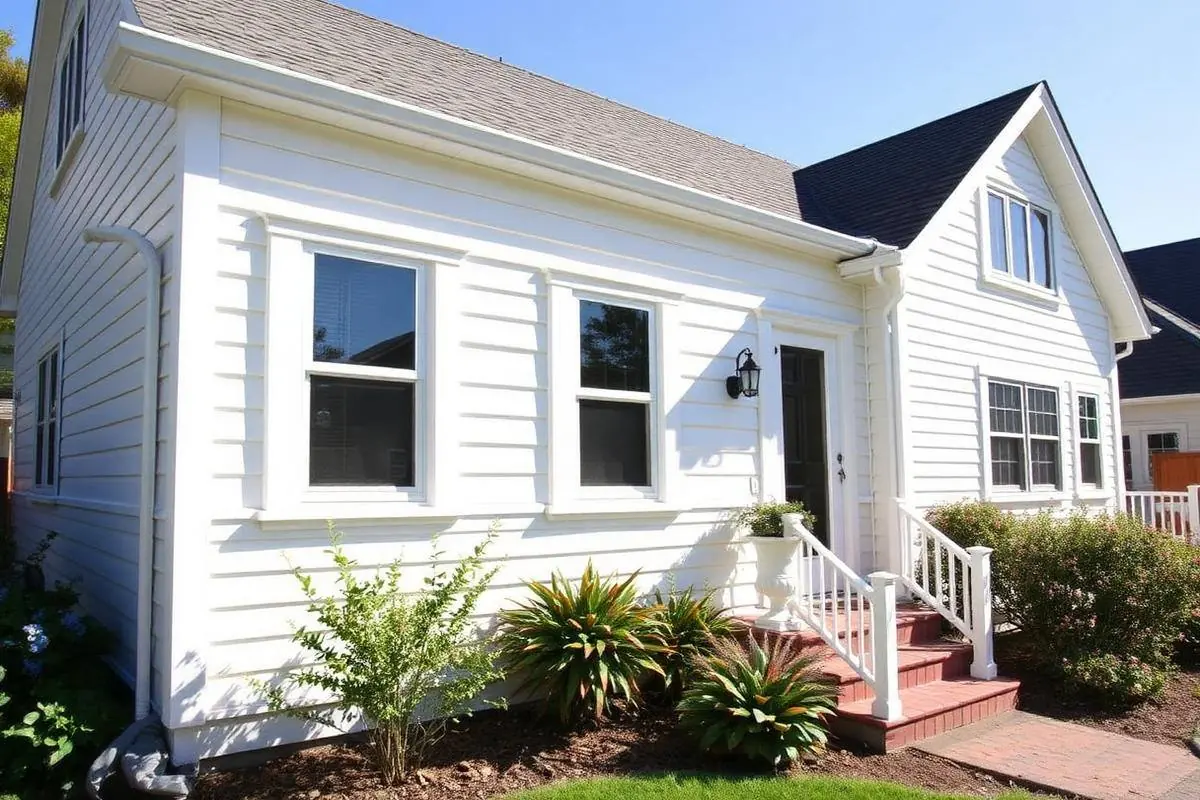
Before: chalked, mildew-streaked cladding holding moisture against the sheathing, with trim and gutters past their service life.After: full re-side in deep charcoal fiber cement over a taped, drainable weather barrier, with new white trim, shutters, and gutters.
Lowcountry gain: a wall that drains wind-driven rain instead of soaking it up, a finish that resists mildew and salt air, and flashed trim details at every window and transition.
Rotted wood cladding, Mount Pleasant
Drag to compare
BeforeAfter
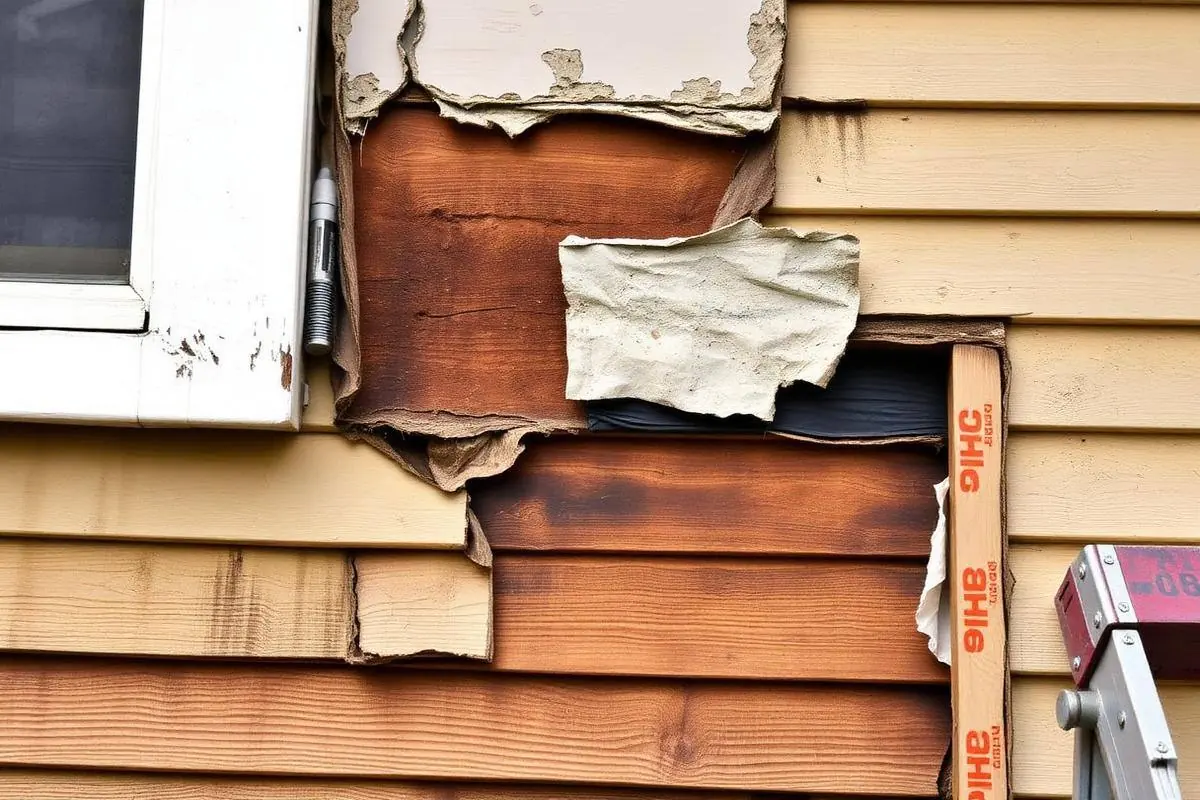
Before: wind-driven rain got behind unflashed window trim, swelled the siding, and rotted the sheathing underneath — damage you only find once the wall is opened.After: rot removed, new sheathing, taped weather barrier tied into window flashing, and fiber cement lap siding installed to manufacturer spacing and fastening spec.
Lowcountry gain: a drainable wall assembly that sheds wind-driven rain, fiber cement that doesn't feed rot or termites, and sealant joints detailed for humidity swings instead of caulked shut.
Gallery
The work itself.
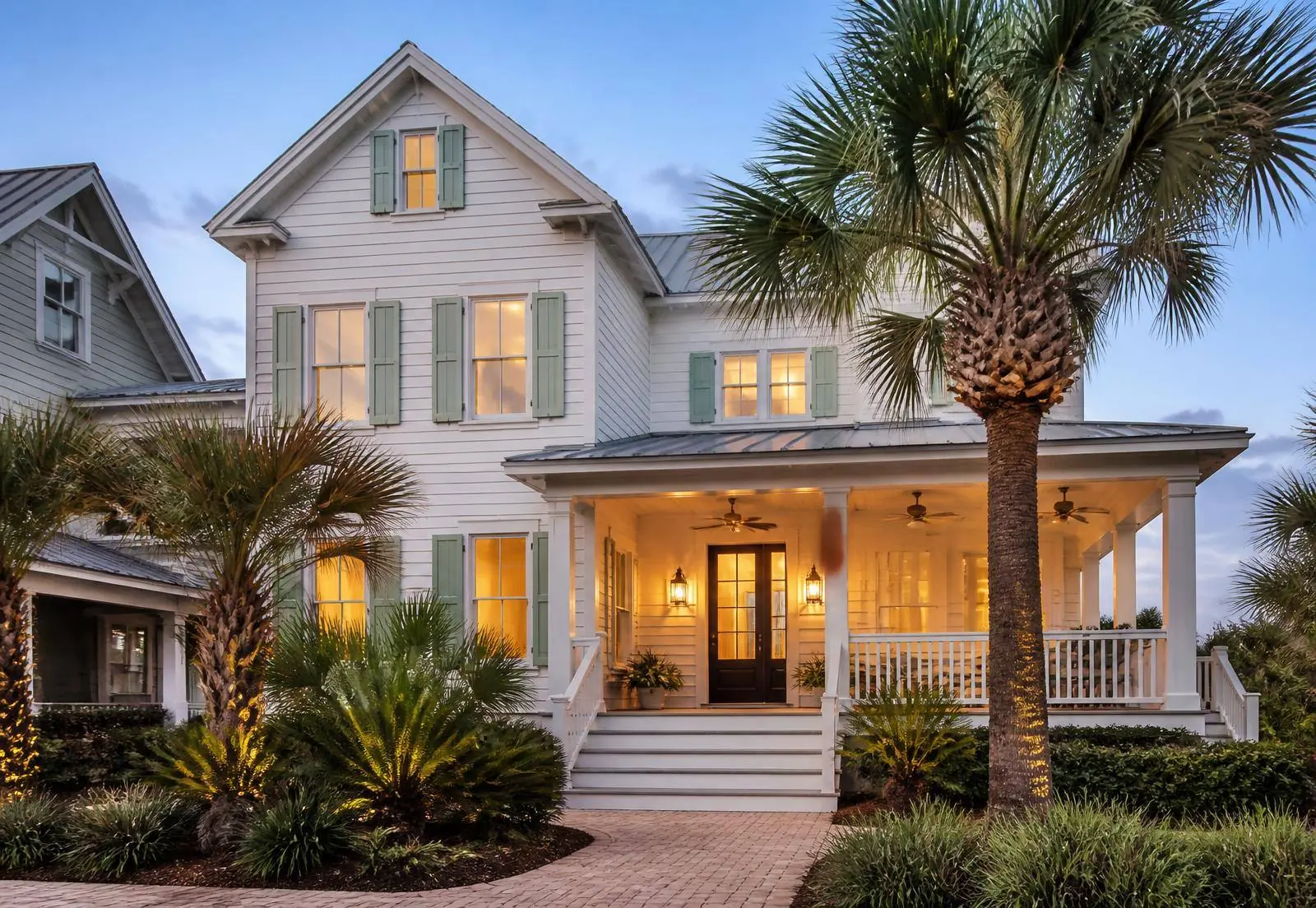
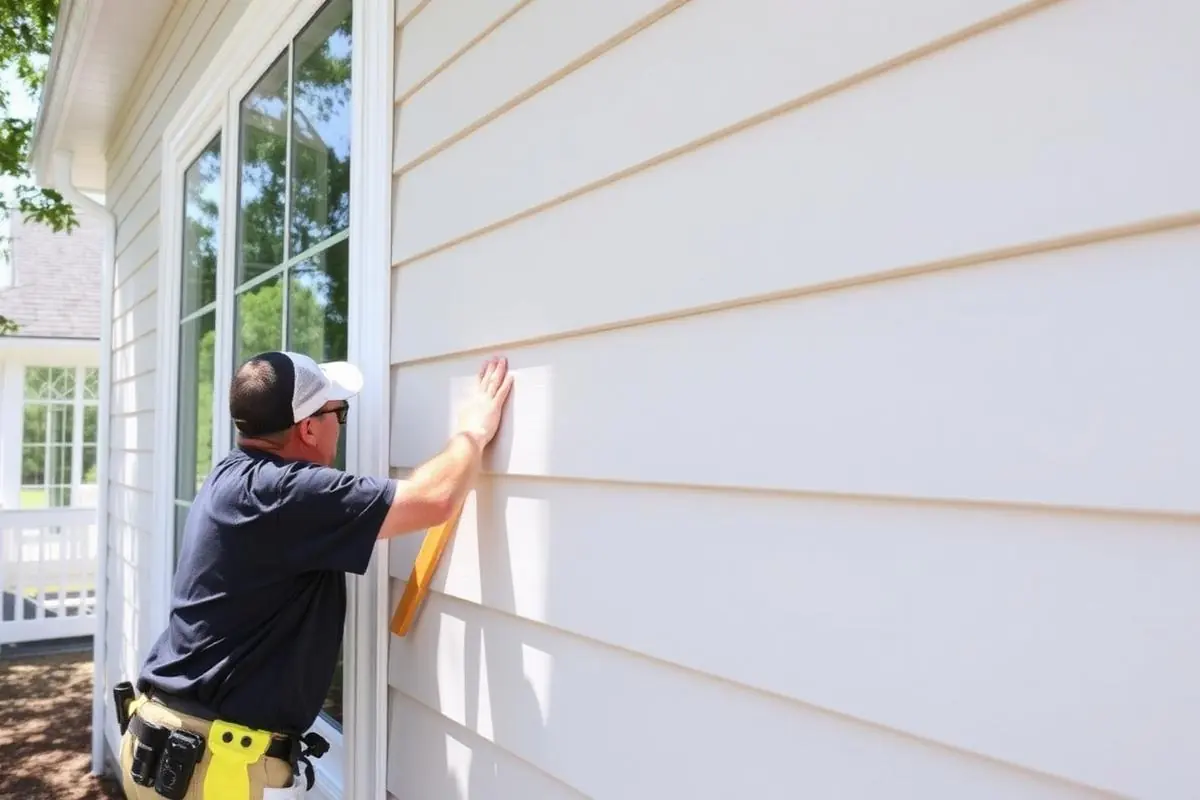
Lap siding installation with crisp white trimWeather barrier and flashing detailFinished Lowcountry home exterior
FAQ
Siding questions, answered straight.
Timelines, process, and warranty — the things people actually ask before they sign. If yours isn't here, call and we'll answer it the same way.
A typical single-family home runs one to three weeks depending on square footage, trim detail, and how much sheathing repair we uncover. We never open more wall than we can dry in that day.
What if there's rot behind the old siding?+
It's common here. We stop, show you the moisture path, price the sheathing and framing repair, and continue only after you approve it in writing.
Fiber cement, engineered wood, or vinyl — which holds up best here?+
Fiber cement handles salt air, humidity, and sun with the least movement, which is why we recommend it most often on the coast. Engineered wood is lighter and takes paint beautifully; vinyl is the value option. We'll price the options side by side.
What warranty comes with the work?+
Every siding project carries a written workmanship warranty from us plus the manufacturer's product warranty on materials. You get both documents at the final walkthrough, along with the product lines and colors we installed.
Who is on site and who do I call?+
One crew, one lead, one point of contact. You get a direct number for your project lead — not a call center — and we tell you about schedule changes before they happen, not after.
How do payments and change orders work?+
A deposit at scheduling, progress payments tied to milestones, and the balance at completion after your punch list is cleared. Any change is priced and approved in writing before we do the work.
We walk the whole exterior — roof, walls, openings, drainage — and tell you what's failing, what's fine, and what it costs to fix. No pressure, no guesswork.

 BeforeAfter