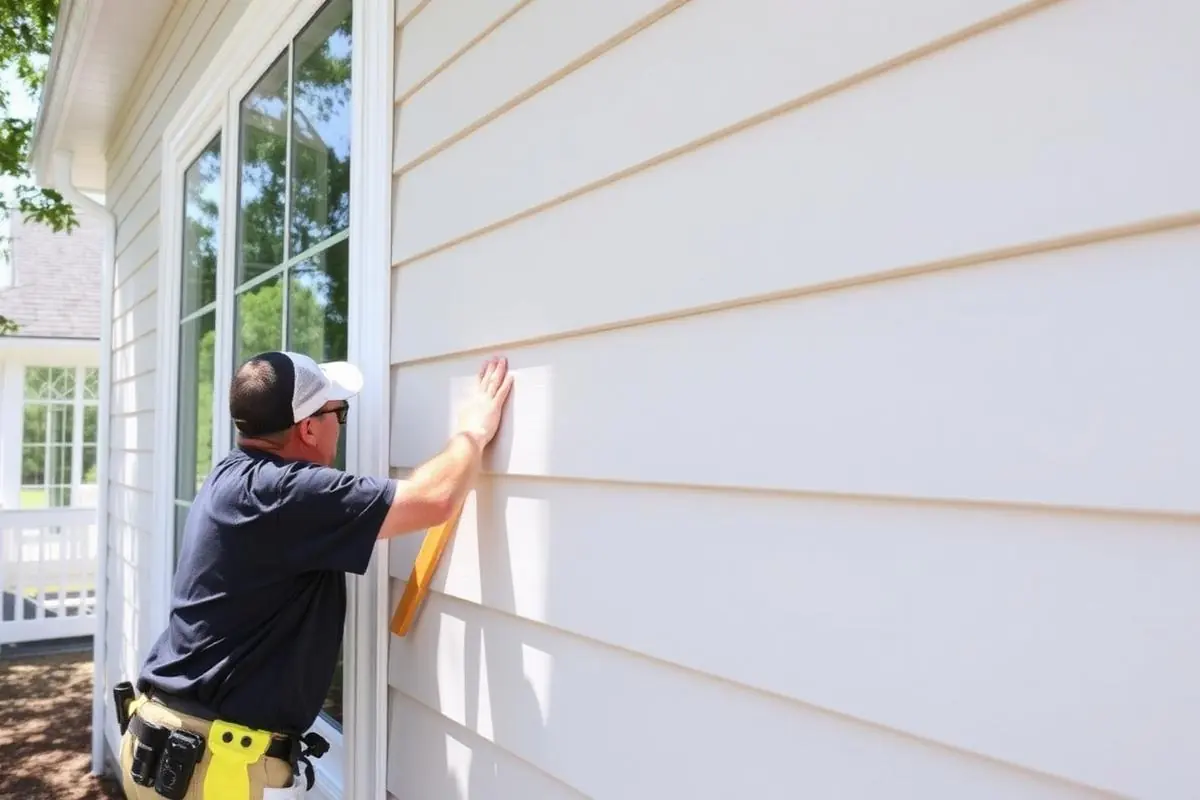
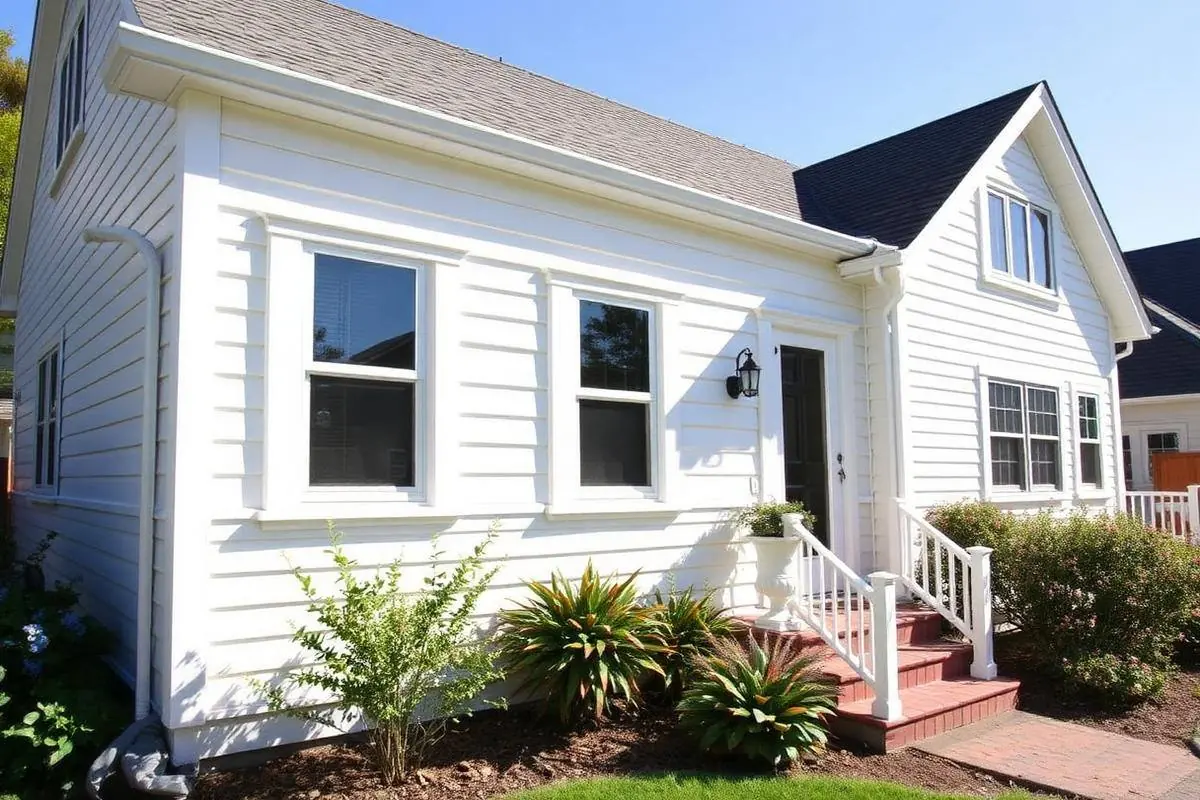
Fiber cement is the right call on the coast — it doesn't rot, it doesn't feed insects, and it holds paint through Lowcountry sun and humidity. But the board is only half the job. What keeps a Hardie wall dry for thirty years is the water-resistive barrier behind it, the clearances at grade and roofline, and the fastening schedule at our wind speeds.
HardiePlank lap, HardieShingle, HardiePanel, and Artisan profiles
ColorPlus factory finish or field-applied coating systems
HardieWrap or equivalent water-resistive barrier, taped and detailed
Blind-nailed to the published high-wind fastening schedule
Kick-out and step flashing replaced at every roof-to-wall termination
Manufacturer clearances held: 6" at grade, 2" at roofing, 1/4" at decking
By the Numbers
What Hardie costs and delivers in the Lowcountry
Typical installed range
$14 – $22 per sq ft of wall
Whole-home replacement
$28,000 – $60,000+ depending on size and stories
Service life on the coast
30 – 50 years with maintained caulk joints
Finish warranty (ColorPlus)
15 years on finish, 30 years on the board
Typical schedule
2 – 3 weeks for a full home, weather permitting
Ranges reflect Charleston-area labor and 2026 material pricing. Complexity, existing sheathing condition, and trim scope move the number. We measure the wall before we price it.
Why fiber cement wins on the coast
Salt aerosol, 50-plus inches of annual rain, and months of high humidity are hard on wood and hard on vinyl. Wood siding absorbs moisture and gives insects an entry. Vinyl warps under reflected heat and cracks under wind-driven debris. Fiber cement does neither — it's non-combustible, dimensionally stable, and rated for the wind loads our building department expects.
Hardie also publishes a coastal-specific product line (HZ10) engineered for hot, humid, salt-exposed climates. That's what we install here. The inland-formulated board is a different product and it does not belong on a Charleston wall.
Non-combustible and rated for high-wind attachment
Won't rot, swell, or feed termites and carpenter ants
ColorPlus finish resists UV fade far longer than field paint
Holds up to wind-driven rain when the barrier behind it is detailed correctly
The install details that actually matter
Most fiber cement failures we're called to fix are not board failures. They're water management failures — a barrier that was stapled instead of taped, siding buried in mulch, no kick-out where a roof meets a wall, or caulk used where flashing belonged.
Water-resistive barrier lapped shingle-style and taped at every seam and penetration
Kick-out flashing at every roof-to-wall intersection — the single most common miss
Head flashing over windows and doors, not sealant alone
Blind nailing at the published spacing for our wind zone, never overdriven
Required clearances at grade, roofing, and horizontal surfaces so the board can dry
Cut edges primed before install; joint flashing behind butt joints
A Lowcountry case: the marsh-front wall
A marsh-facing elevation on Daniel Island had cedar siding that lasted eleven years. The failure wasn't the cedar — it was constant salt aerosol, no rainscreen, and gutters discharging against the wall. Boards cupped, paint lifted in sheets, and sheathing behind two windows had gone soft.
We replaced sheathing where it was compromised, installed a taped WRB with a drainage plane, ran HardiePlank in ColorPlus, added kick-outs and window head flashing, and rerouted the gutter discharge away from the wall. The same elevation now sheds water instead of holding it, and the finish is under a 15-year warranty.
Certification and accountability
We install to James Hardie's published best practices — the same specification the manufacturer's warranty is written against. Deviating from clearances or fastening schedules doesn't just risk performance; it can void coverage on the board you paid for.
You get both warranties in writing at closeout: the manufacturer's product and finish coverage, and our workmanship warranty on the installation. If something we installed fails, we own it.
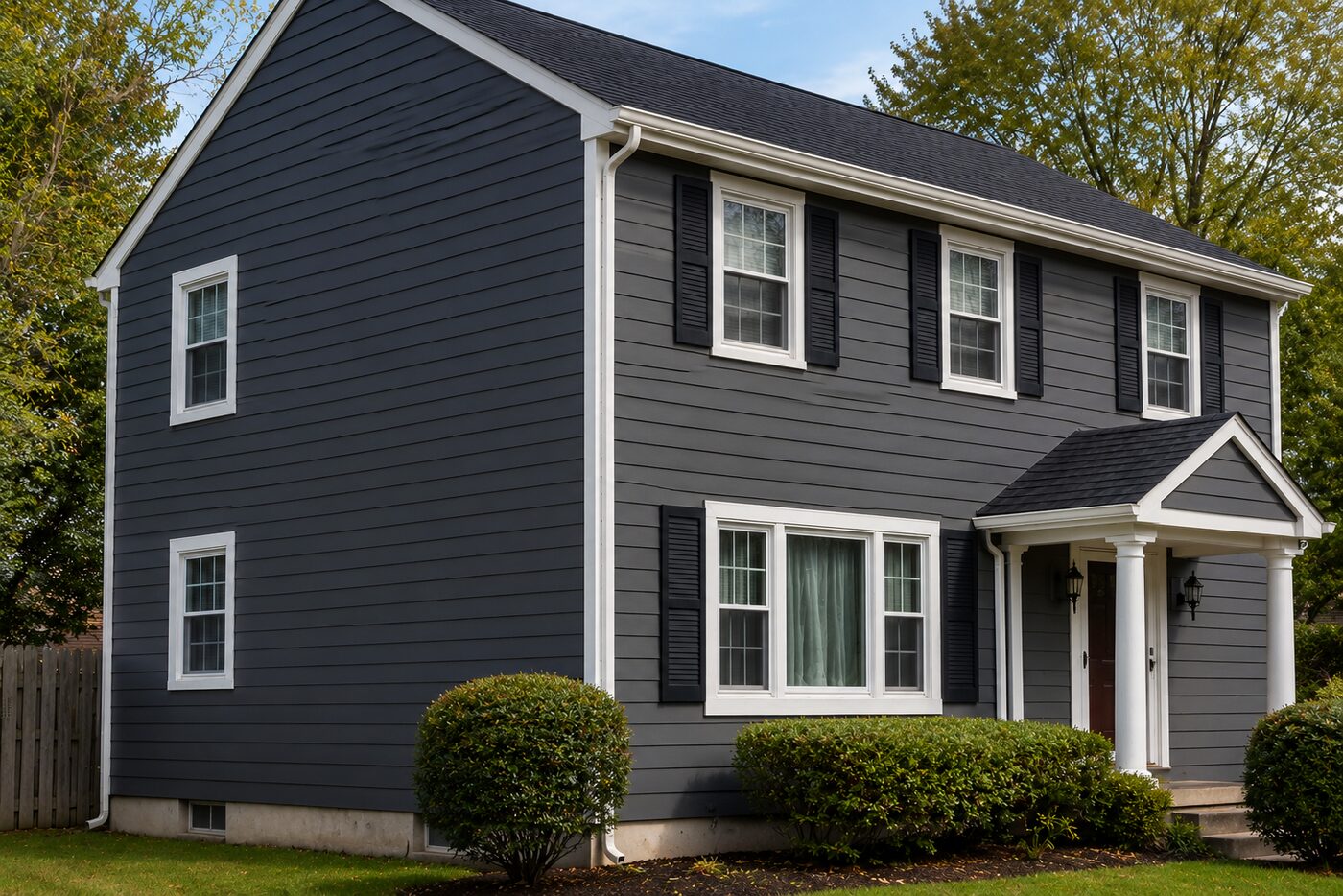
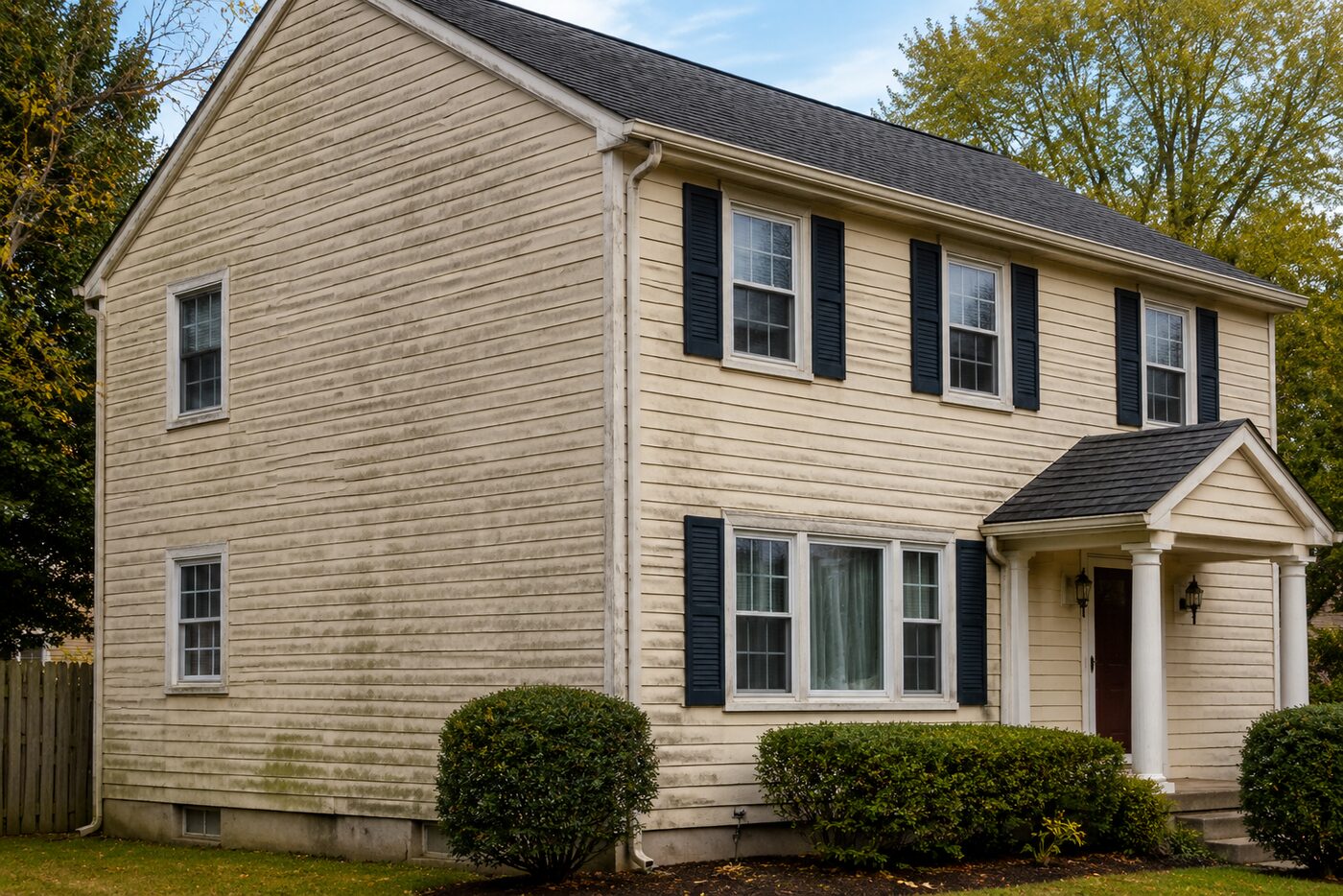
Before & After
Cedar failure to Hardie on a salt-exposed elevation
BeforeAfter
Before: failing claddingAfter: James Hardie
Rotted sheathing replaced, taped water-resistive barrier and drainage plane added behind the cladding, HardiePlank installed to the high-wind fastening schedule with kick-out and head flashing at every termination.
Local Case Studies
Real Lowcountry projects, with the numbers.
Every project below has its own page: the problem, what we did, the specs, and a before/after slider you can drag.
How much does James Hardie siding cost in Charleston?+
Most Charleston-area homes land between $14 and $22 per square foot of wall installed, which typically means $28,000 to $60,000 or more for a full home. Trim scope, existing sheathing condition, number of stories, and access drive the spread more than the board itself.
Is fiber cement better than vinyl in coastal South Carolina?+
For durability, yes. Fiber cement holds its shape in heat, resists wind-driven debris, and won't warp against reflected sun the way vinyl can. Vinyl costs less up front. On a salt-exposed or high-wind elevation, Hardie is the one we recommend.
How long does James Hardie siding last here?+
Thirty to fifty years on the board when clearances are held and caulk joints are maintained. ColorPlus finish typically runs 15 years before it needs attention, versus roughly 5 to 8 for field paint on the coast.
Do I need to repaint Hardie siding?+
Not for a long time with ColorPlus, which is a factory-baked finish carrying a 15-year warranty. Primed board finished on site will need repainting sooner in Charleston sun — plan on 5 to 8 years.
How long does a full siding replacement take?+
Two to three weeks for a typical home. Tear-off and sheathing repair happen first, then barrier and flashing, then cladding and trim, then caulk and touch-up. Weather extends it; we tell you when it does.
Will you find rot behind my old siding?+
Sometimes, and on the coast often. We price sheathing replacement per sheet in the estimate before we start, so if we find it you already know the rate. You see photos before we replace anything.
We walk the whole exterior — roof, walls, openings, drainage — and tell you what's failing, what's fine, and what it costs to fix. No pressure, no guesswork.