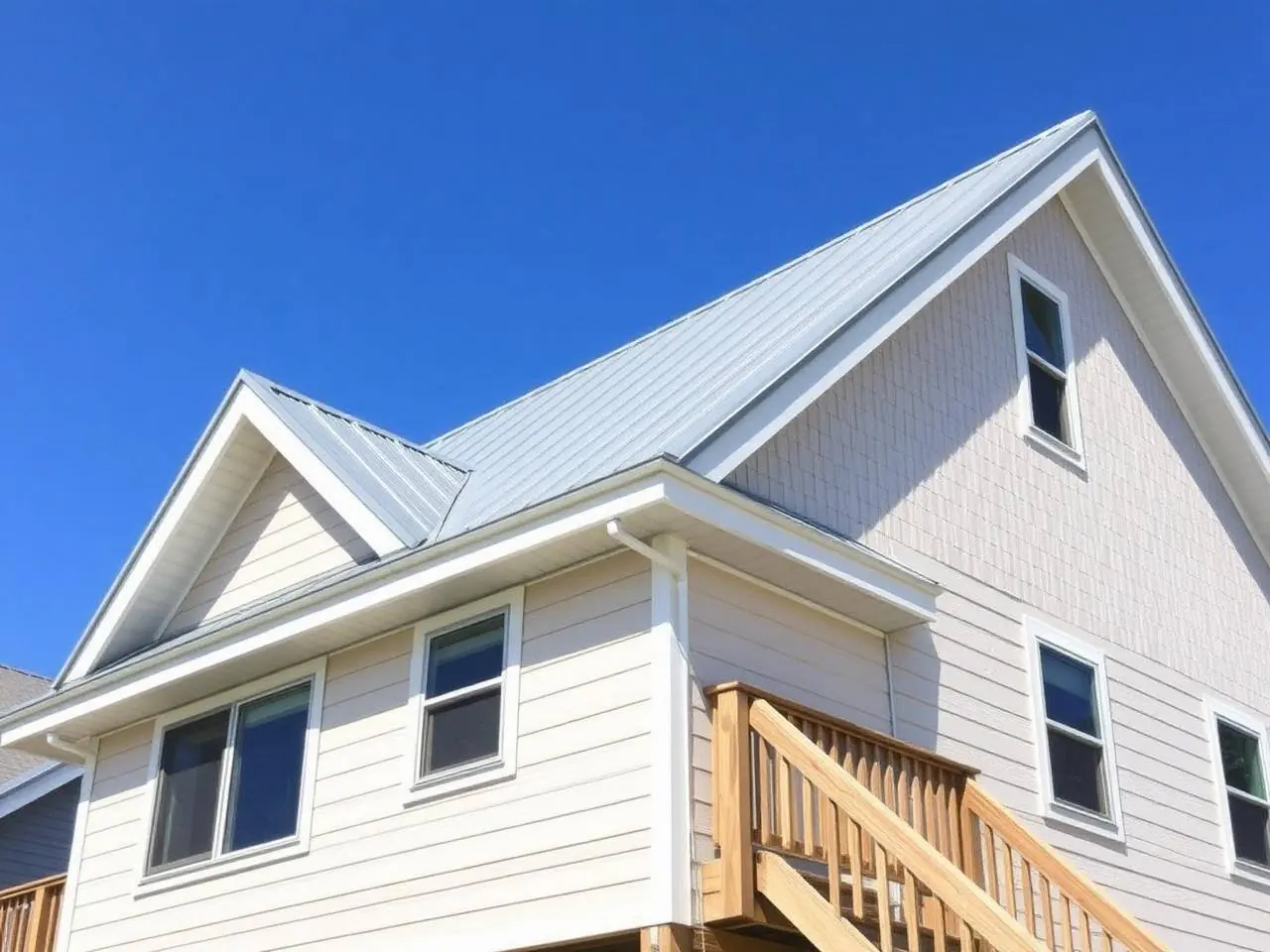
A standing seam roof is the strongest thing you can put over a Lowcountry house — concealed clips, no exposed fasteners in the field, and uplift ratings that clear our design wind speeds with margin. It costs roughly double asphalt and typically lasts roughly double. Whether that math works depends on your exposure and how long you're keeping the house.
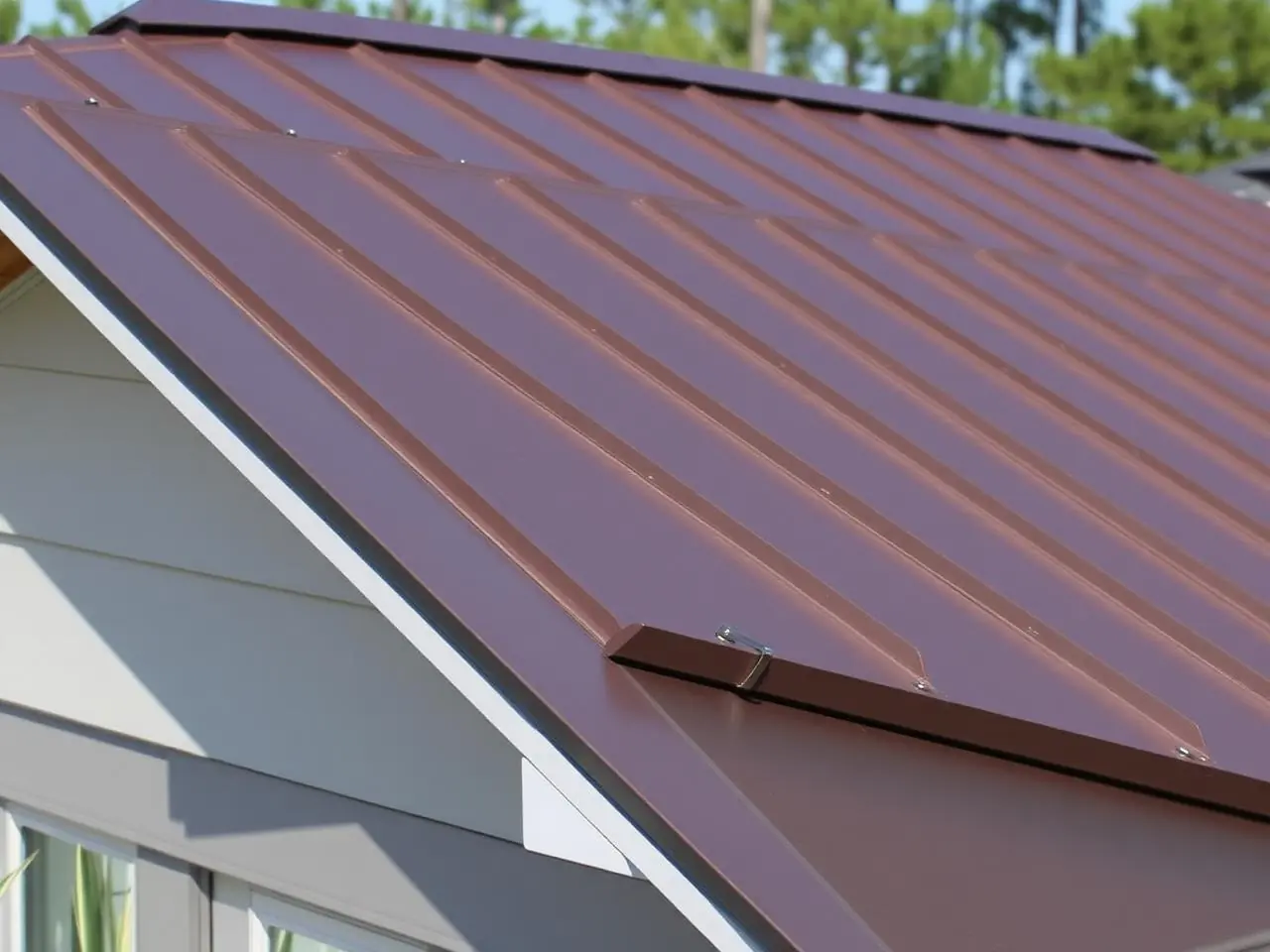
Standing seam panels with concealed clips — no field fasteners to back out
24-gauge steel or aluminum; aluminum for direct salt exposure
Kynor / PVDF (Kynar 500) finishes rated against coastal UV and salt
UL 580 / UL 1897 uplift-rated assemblies and Miami-Dade tested profiles available
High-temperature underlayment and sealed deck beneath the panels
Stainless or coastal-rated fasteners and corrosion-matched flashing
By the Numbers
Metal roofing in Charleston: what to expect
Standing seam installed
$24,000 – $45,000+ for a typical home
Per square (100 sq ft)
$1,400 – $2,200 installed
Service life on the coast
40 – 50 years
Wind rating (assembly)
Commonly 140 – 180 mph tested uplift
Finish warranty
30 – 40 years on PVDF finish, typical
Typical schedule
1 – 2 weeks including panel lead time
2026 steel and aluminum pricing has moved with tariffs — we quote from current material cost, not a stale sheet. Panel profile, hip and valley count, and pitch drive the spread.
Standing seam vs exposed fastener
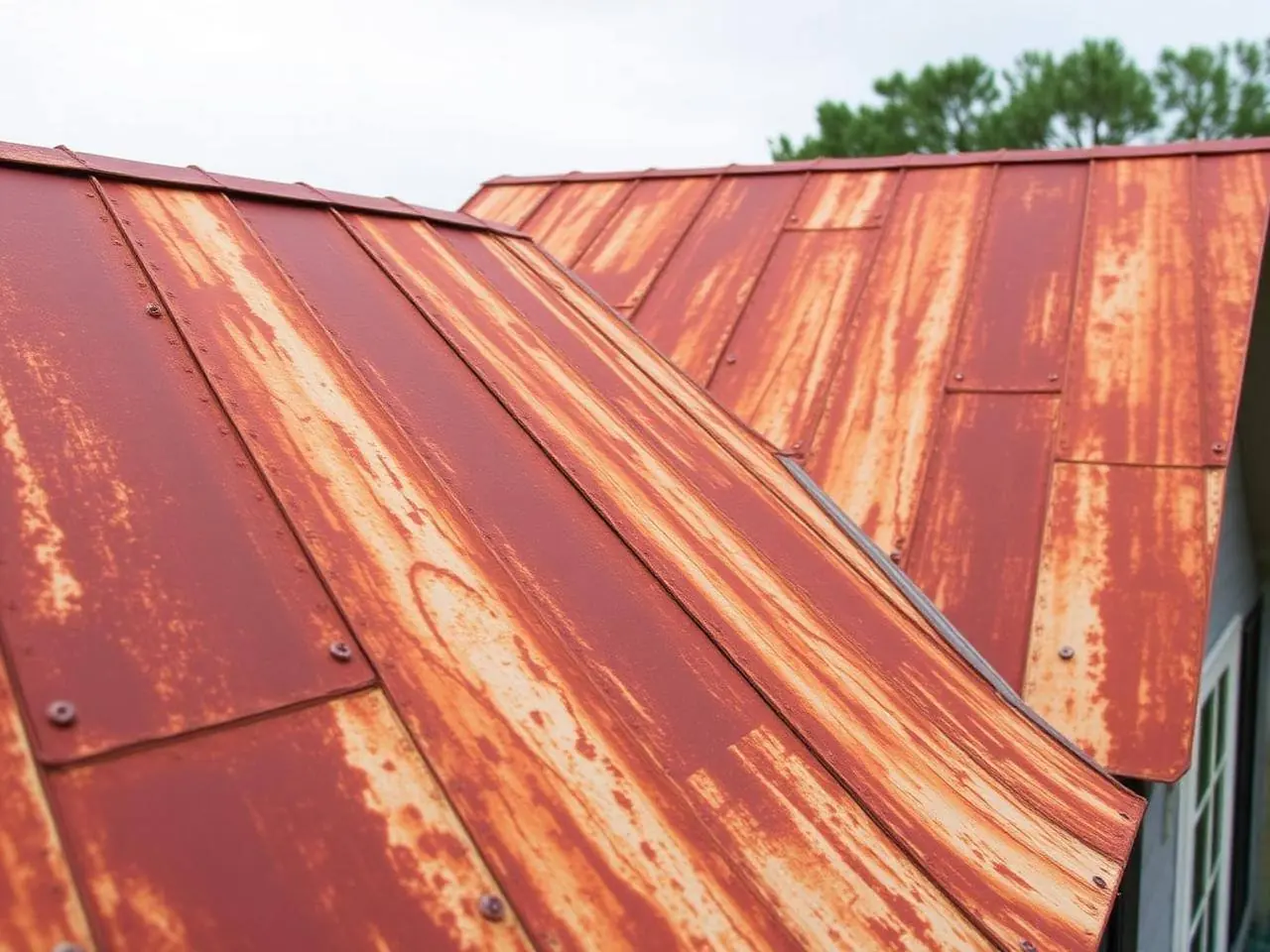
Exposed-fastener metal (R-panel, 5V) is cheaper and it's a legitimate product on outbuildings and simple sheds. On a coastal house it has a built-in clock: every screw carries a neoprene washer that degrades under UV and thermal cycling, and there are thousands of them. Somewhere around year twelve to fifteen you're re-screwing the roof.
Standing seam hides the attachment. Panels lock at raised seams and float on concealed clips, so they can expand and contract with heat without loosening anything. That's why the uplift ratings are higher and why it's the profile we specify on any home we expect to last.
Standing seam: concealed clips, thermal movement designed in, highest uplift ratings
Metal shingle / stamped profiles: historic-district-friendly appearance, mid-range cost
Steel or aluminum on the coast
Galvalume-coated steel is the default and performs well across most of the Charleston area. Within roughly a mile of open salt water — ocean-facing, marsh-front, tidal creek exposure — aluminum is the better specification. It doesn't rely on a sacrificial coating to resist salt, so it won't red-rust at cut edges and fastener points the way steel eventually can.
Whichever substrate, the finish matters as much as the metal. We specify PVDF (Kynar 500) coatings, not lower-grade polyester finishes, because chalk and fade show fast under Lowcountry UV.
Aluminum for direct salt exposure and cut-edge corrosion resistance
Galvalume steel for inland and sheltered Lowcountry sites
PVDF/Kynar 500 finish, not SMP, for coastal UV and salt
Stainless or coastal-rated fasteners; never mix incompatible metals at flashings
Wind ratings, code, and insurance
Charleston County sits in a high-wind design zone, and metal assemblies are rated as systems — panel, clip, spacing, and deck together. A panel with a good number on the brochure means nothing if the clip spacing at the eave and rake doesn't match the tested assembly. We install to the tested configuration and hand over the documentation.
Some carriers discount premiums for wind-rated or fortified roofing, and South Carolina's SC Safe Home program supports qualifying coastal upgrades. Worth asking your agent before you finalize the specification — the answer sometimes changes which product pencils out.
Does metal pay for itself here
Honest answer: it depends on exposure and time horizon. On a high-exposure site — marsh-front, ocean-facing, sustained wind and salt aerosol — metal is the durable choice and we'd recommend it. On a sheltered interior lot with a simple roofline, a well-detailed architectural asphalt roof does the job for roughly half the cost.
Metal also runs cooler. Reflective PVDF finishes push radiant heat back instead of storing it, which measurably helps in a Charleston August. If you're weighing the two, read our roof cost guide for the full asphalt comparison, then call and we'll tell you which one your house actually needs.
Before & After
Aging asphalt to a standing seam coastal assembly
BeforeAfter
Before: aging asphaltAfter: standing seam
Deck inspected and re-sheathed where soft, high-temperature sealed underlayment installed, standing seam panels set on concealed clips at the tested spacing, and corrosion-matched flashing and stainless fasteners used at every termination.
Local Case Studies
Real Lowcountry projects, with the numbers.
Drag each slider to compare before and after. Investment ranges reflect the scope described — your house gets measured before it gets priced.
A 22-year-old exposed-fastener metal roof on a marsh property was streaking rust from every screw. Neoprene washers had failed, panels had oil-canned at the laps, and several fasteners were backing out.
What we did
Full removal, deck inspection and repair, high-temp underlayment, and a 24-gauge concealed-fastener standing seam system in a coastal-rated finish with matching trim and closures.
Result
No exposed penetrations left to fail, wind uplift rated for the site, and a finish warranty written for salt-air exposure rather than inland conditions.
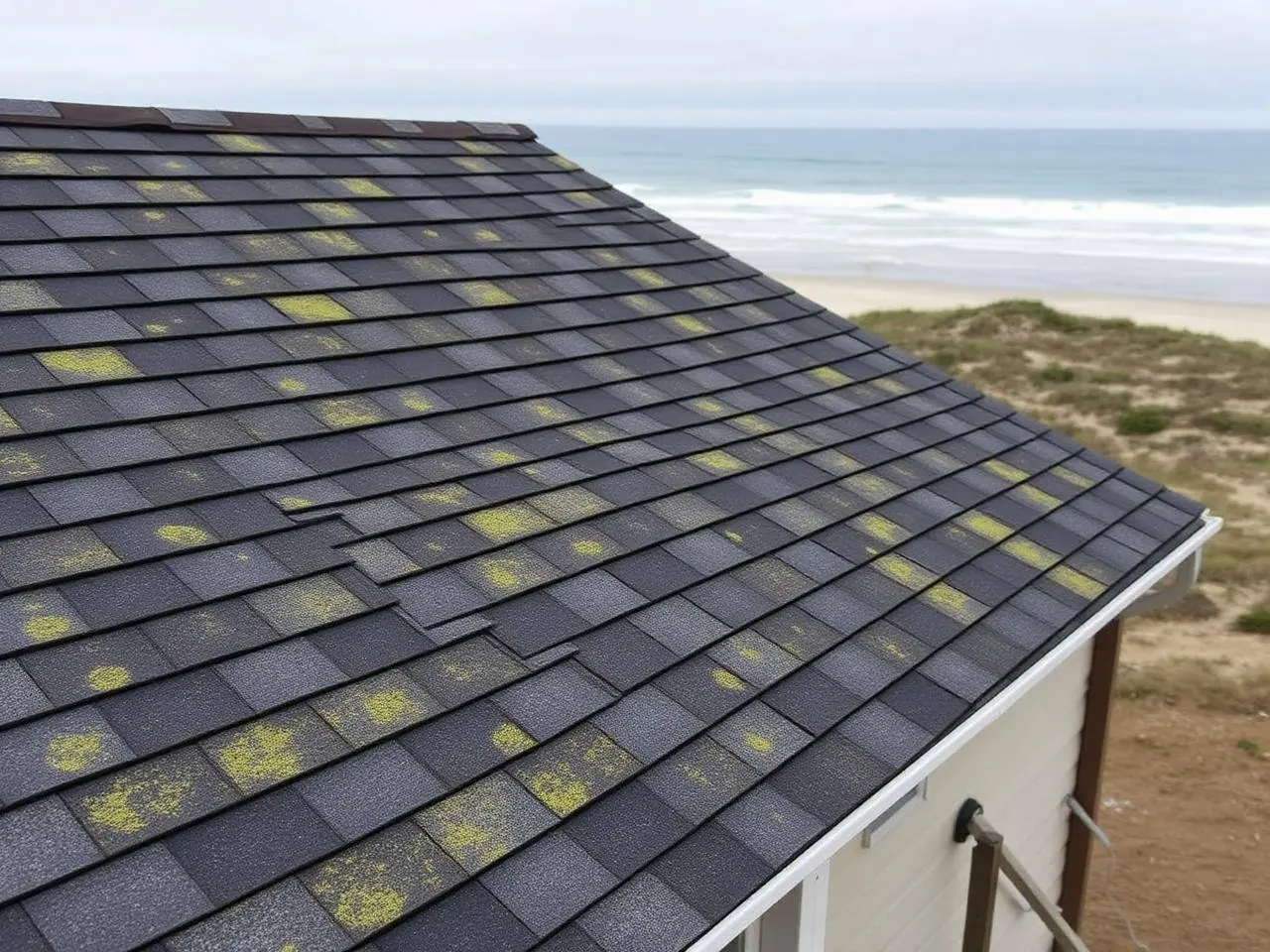
Shingles on a raised beach house were algae-streaked and losing granules after nine years. At 300 yards from the surf, steel was the wrong metal and asphalt was simply not lasting.
What we did
Aluminum standing seam specified for direct salt exposure, stainless fasteners throughout, high-temp peel-and-stick over the full deck, and continuous ridge venting sized to the attic volume.
Result
A roof rated for the exposure it actually sits in, with a lighter dead load on the framing and an attic that vents instead of cooking.
Architectural-review metal roof on a coastal cottage
The problem
The homeowner wanted metal but the community's architectural review board restricted profile, sheen, and color. A previous bid had been rejected twice for panel width and gloss level.
What we did
We submitted a compliant assembly — narrower seam spacing, low-sheen matte finish in an approved color, and concealed clips — with manufacturer data sheets attached. Approved on first submission.
Result
Approved without revision, installed in one dry window, and the assembly still carries the wind and finish ratings the site needs.
Standing seam typically runs $24,000 to $45,000 or more on a Charleston-area home, or about $1,400 to $2,200 per square installed. That's roughly double architectural asphalt, and 2026 steel and aluminum pricing has moved with tariffs.
Is metal roofing better in hurricanes?+
A properly installed standing seam assembly carries higher tested uplift ratings than asphalt — commonly 140 to 180 mph. The rating belongs to the whole system, though: panel, clip type, clip spacing, and deck. Installed off-spec, the number on the brochure doesn't apply.
Will a metal roof rust near the ocean?+
Galvalume steel can eventually red-rust at cut edges in direct salt exposure. Within about a mile of open salt water we specify aluminum, which doesn't have that failure mode, with a PVDF finish and coastal-rated fasteners.
Is a metal roof loud in the rain?+
Not the way people expect. Over solid decking with underlayment and attic insulation, a standing seam roof is comparable to asphalt. The noise reputation comes from barn roofs installed over open purlins with nothing beneath them.
How long does a metal roof last in the Lowcountry?+
Forty to fifty years for standing seam with a PVDF finish, versus 20 to 25 for architectural asphalt here. Exposed-fastener metal is shorter unless you plan on re-screwing it around year twelve to fifteen.
Can I put metal on a historic Charleston home?+
Often yes — metal has real historic precedent on the peninsula — but material, profile, and color usually need Board of Architectural Review approval. Standing seam and stamped metal shingle profiles both have paths through review. We tell you which track your address is on before we commit to a start date.
We walk the whole exterior — roof, walls, openings, drainage — and tell you what's failing, what's fine, and what it costs to fix. No pressure, no guesswork.