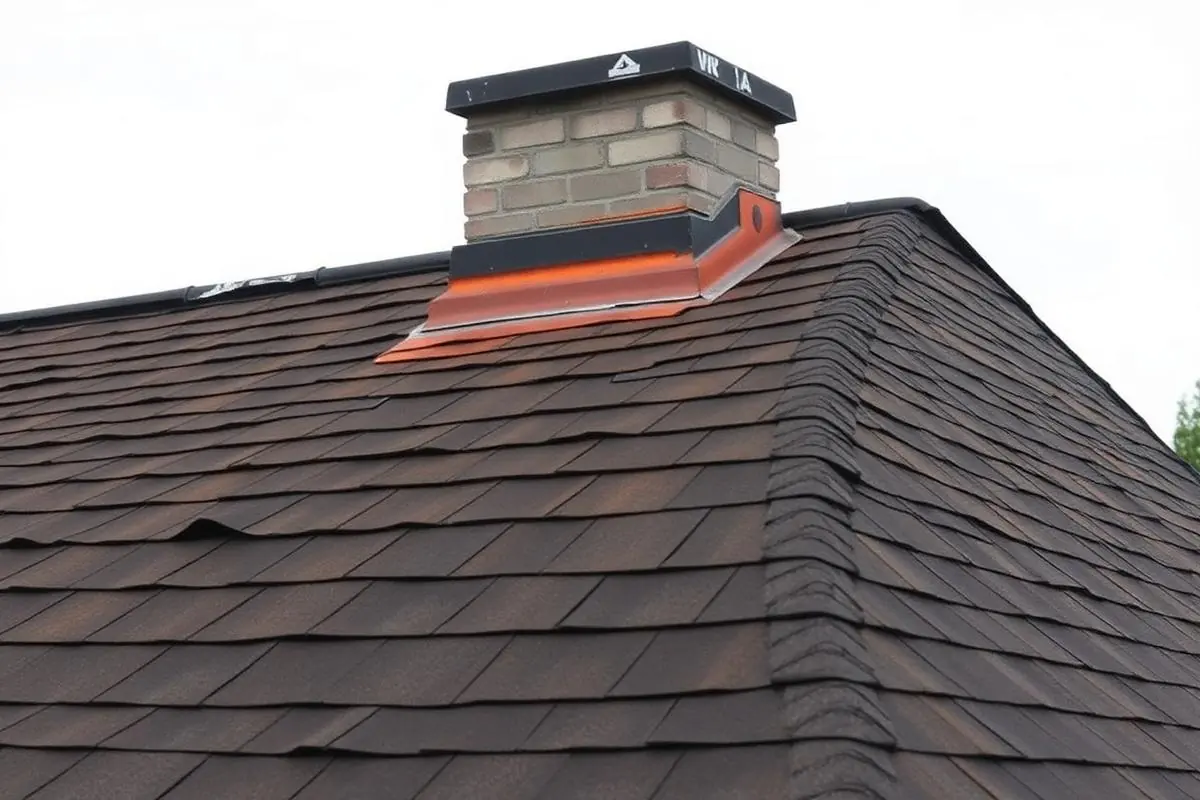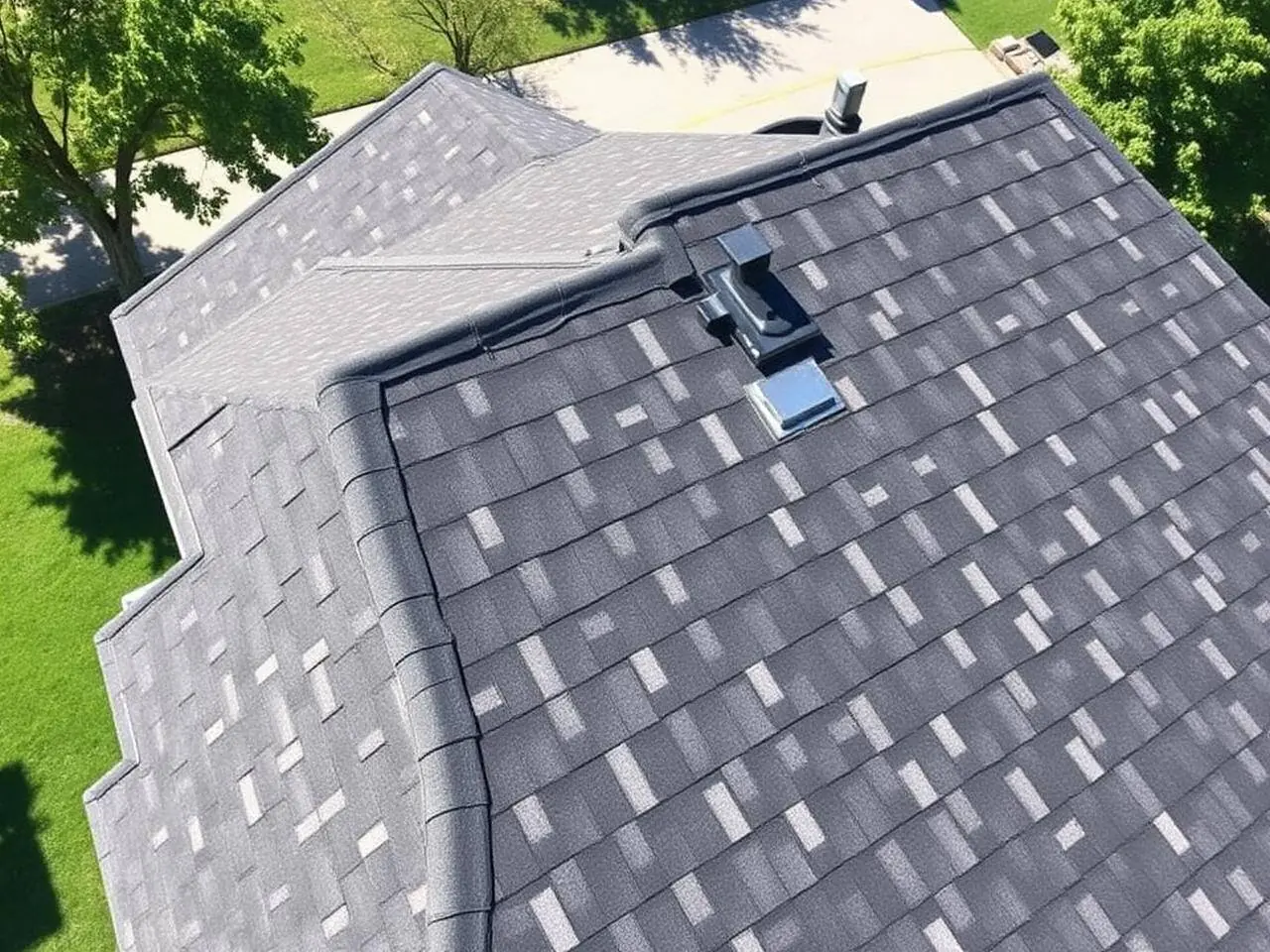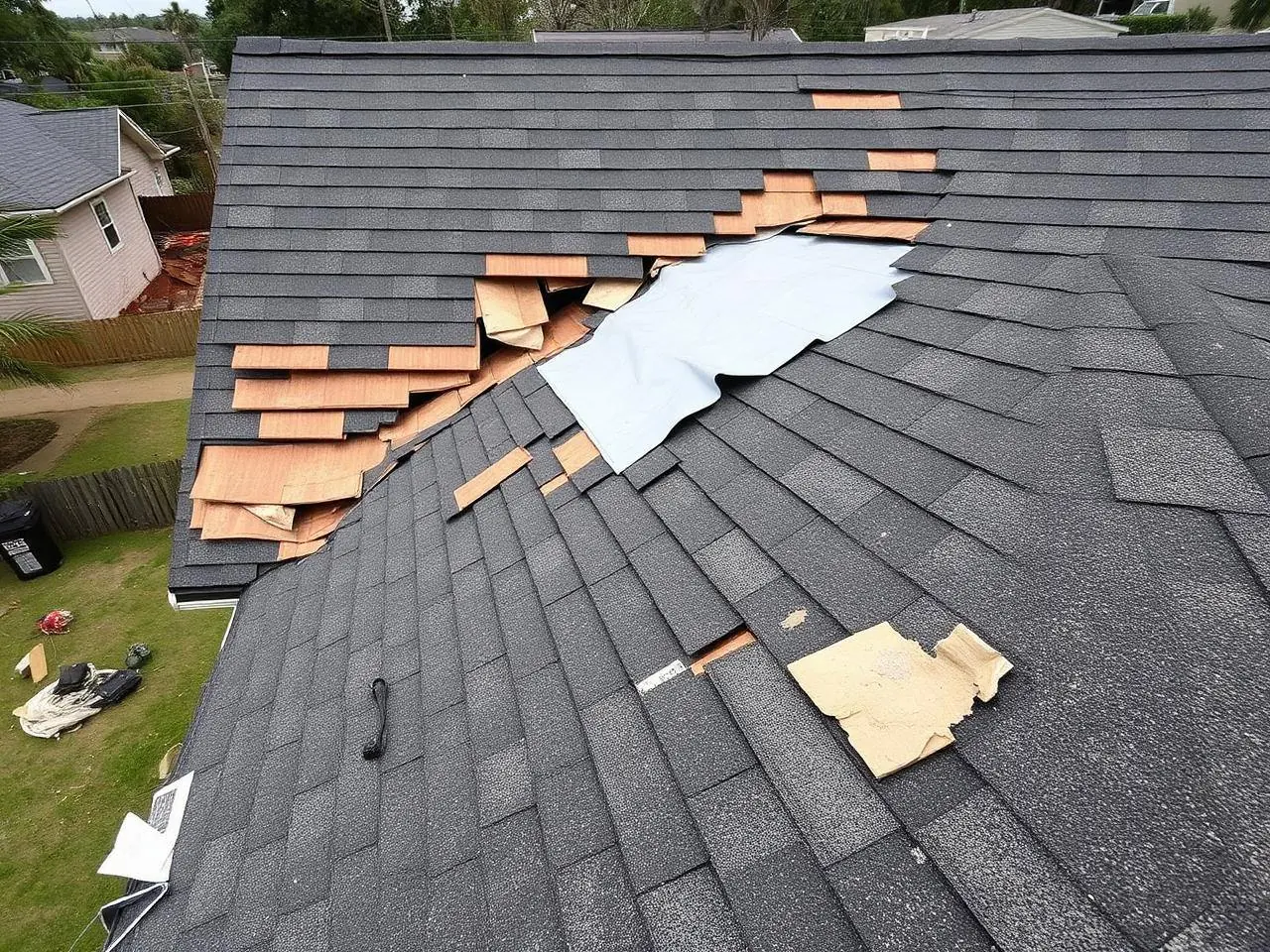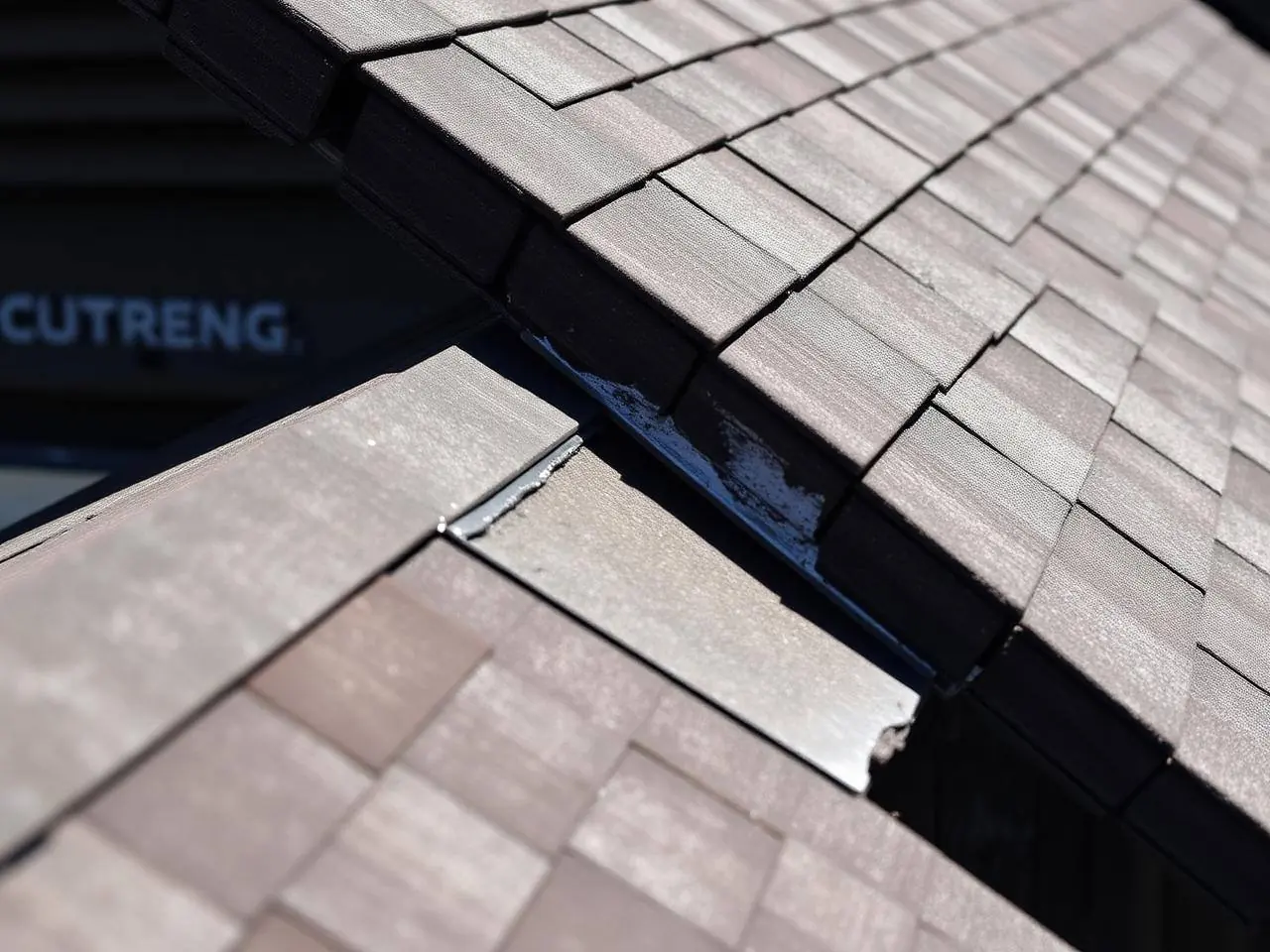
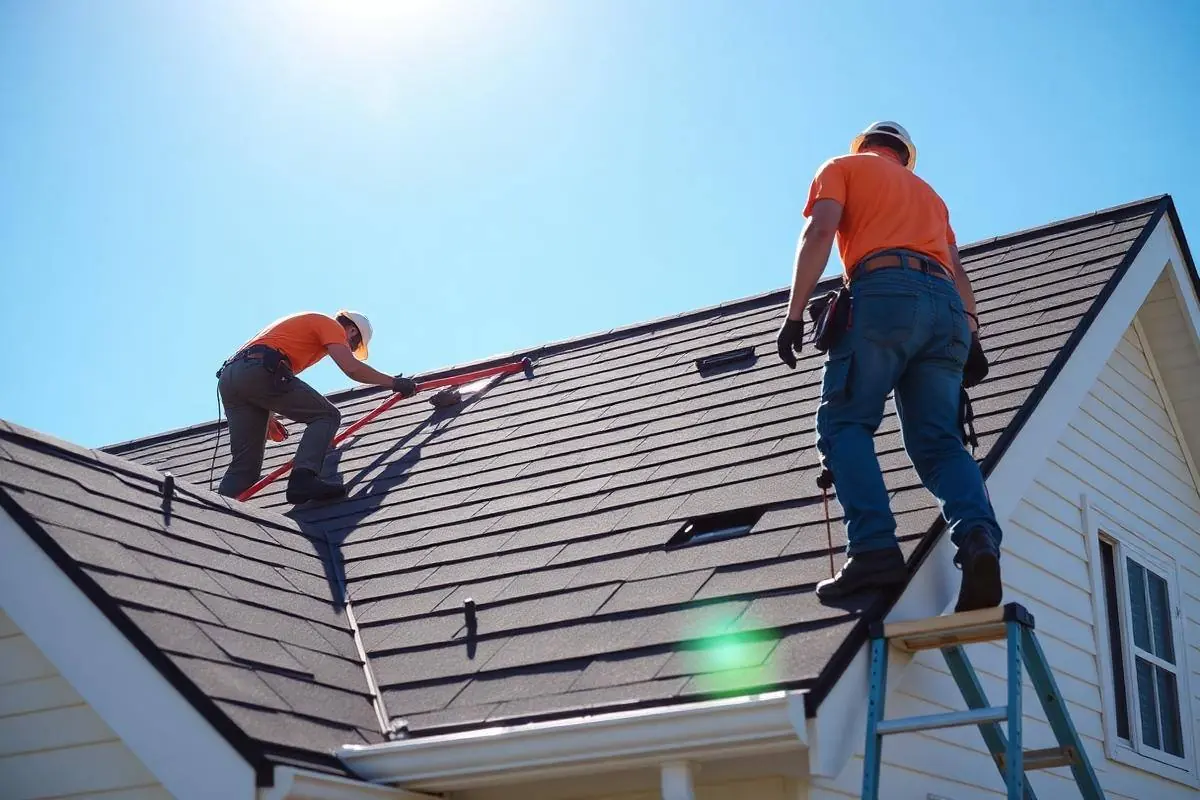
Roofer inspecting wind-damaged shingles on a Charleston-area roof after a storm

Leaking now? We stop the water first.

After a storm the order matters: stop the intrusion, document the damage properly, then repair. We tarp and dry-in fast, photograph everything an adjuster will need, and give you a scope that reflects the real damage — not the cheapest patch that gets us off your roof.

What's Included

Exactly what you're paying for.

  • Emergency tarping and dry-in to stop active leaks
  • Full photo documentation, dated, for your insurance claim
  • Wind and hail damage assessment with a written scope
  • Leak tracing — roof, flashing, vent, chimney, or wall termination
  • Shingle, flashing, and decking repair or full replacement
  • We meet your adjuster on site and walk the damage with them

By the Numbers

Typical storm response scope and cost

Emergency tarp / dry-in
$400 – $1,200 depending on area and access
Targeted leak repair
$500 – $2,500
Flashing repair or replacement
$400 – $1,800 per termination area
Decking replacement
$70 – $130 per sheet
Full replacement after storm loss
$11,000 – $20,000 asphalt (see cost guide)

Emergency response is priced on what it takes to stop the water. Permanent repair is scoped after the roof is dry and documented. Covered storm loss is billed against your claim scope.

What to do in the first 24 hours

Most claim disputes trace back to what didn't get documented before a repair. A few steps protect you before anyone touches the roof.

  • Photograph the damage and any interior water staining, with dates, before any tarping
  • Move belongings and put a container under active drips; don't climb up yourself
  • Call your carrier and open a claim — write down the claim number and adjuster contact
  • Get emergency mitigation done and keep the invoice; carriers generally reimburse it
  • Don't sign a contract that assigns your claim benefits to a contractor
What storm damage actually looks like

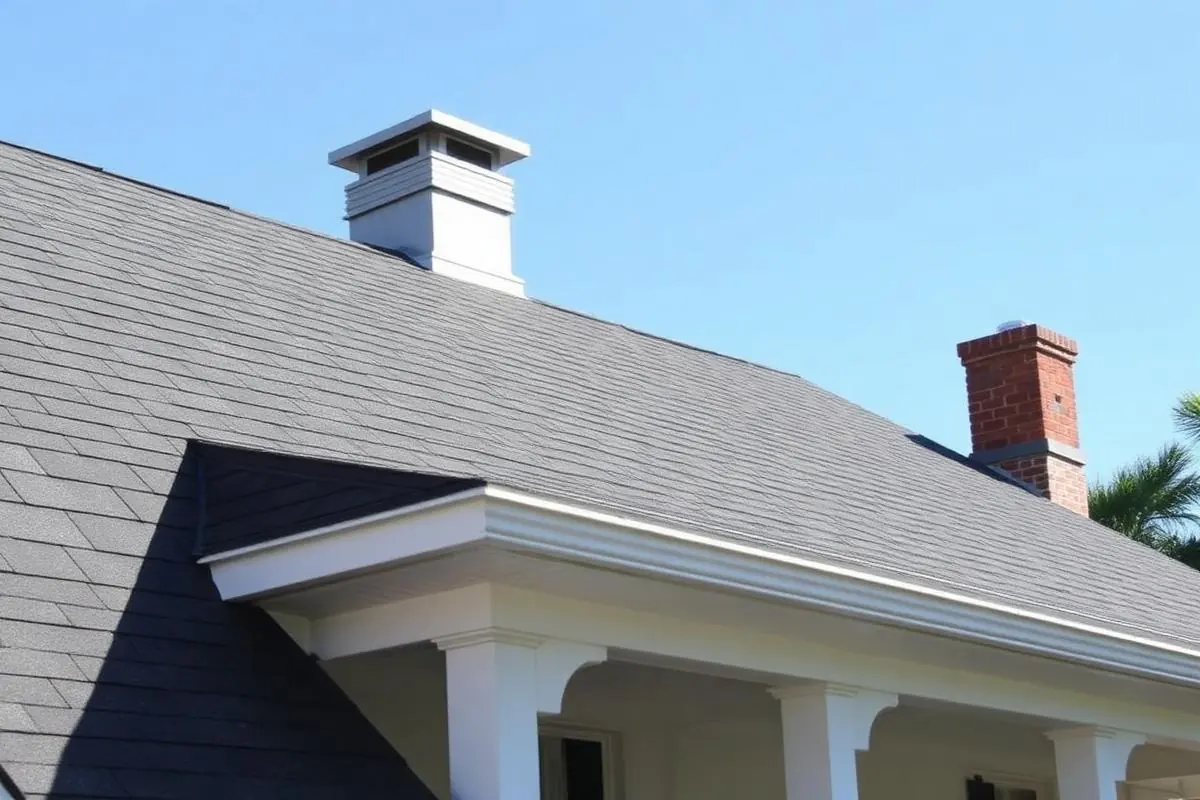
Wind damage is frequently invisible from the ground. Shingles get lifted and reseated, breaking the seal strip without leaving an obvious gap — the roof looks intact and leaks the next time wind drives rain sideways.

  • Creased or lifted shingles along ridges, rakes, and eaves — the seal is broken
  • Granule loss piling in gutters and downspout discharge
  • Bruised or punctured hail hits, soft to the touch, with fractured mat
  • Displaced or bent ridge cap, drip edge, and counterflashing
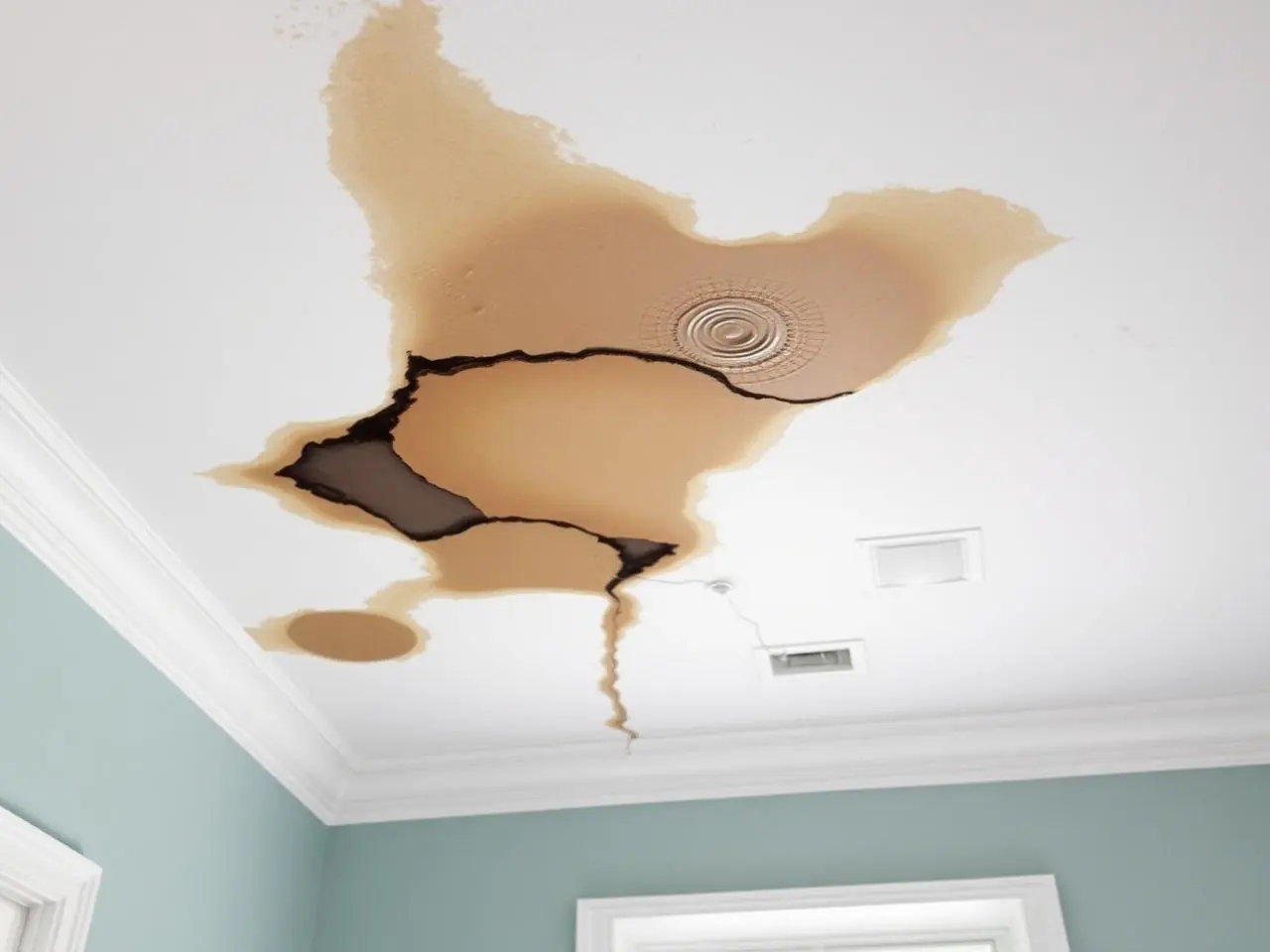
  • Interior ceiling staining or attic sheathing that reads wet after rain
  • Lifted or missing siding and soffit — often the same event, separate line item

Insurance: what's covered and what isn't

Sudden storm damage — wind, hail, impact from falling limbs — is generally a covered loss. Age-related wear, deferred maintenance, and prior unrepaired damage are not. Carriers on the coast also commonly carry a separate, higher hurricane or named-storm deductible, so know that number before you file.

We're not adjusters and we won't promise you a claim outcome. What we do is document the damage completely, write an honest scope, and meet the adjuster on the roof so both sides are looking at the same evidence.

Repair or replace

If the damage is localized, the roof has meaningful life left, and matching material is available, repair is the right call and we'll say so. Replacement makes sense when the seal strip is broken across large areas, when the roof is already near end of life, or when repeated repairs are chasing the same water.

Because we work the whole exterior, we also check where the water actually went. Roof water lands on siding, windows, and trim — and a roof repair that ignores a failed kick-out flashing just moves the leak.

Before & After

Wind-lifted shingles and failed flashing to a dried-in, sealed roof

Newly installed roof with corrosion-rated flashing and sealed terminationsStorm-damaged asphalt shingles with creased tabs and displaced ridge capBeforeAfter
Before: storm damageAfter: repaired roof

Broken seal strips and creased shingles replaced, rotted decking swapped per sheet, corrosion-rated flashing installed at the chimney and roof-to-wall terminations, and ventilation rebalanced so the new field dries instead of cooking.

Local Case Studies

Real Lowcountry projects, with the numbers.

Drag each slider to compare before and after. Investment ranges reflect the scope described — your house gets measured before it gets priced.

New architectural shingle roof with clean ridge and flashingStorm-damaged roof with lifted shingles and exposed underlaymentBeforeAfter
Before: wind damageAfter: full replacement

West Ashley, SC

Post-storm tear-off after a wind event

The problem
Straight-line winds lifted a field of shingles on the windward slope and tore the ridge cap. Underlayment was exposed for three days before we could get on the roof, and the deck had taken water at the ridge.
What we did
Emergency dry-in the day we were called, full tear-off, decking replaced where saturated, synthetic underlayment with peel-and-stick at eaves and valleys, architectural shingles installed to the high-wind nailing pattern.
Result
Dried in within 24 hours of first contact, permanent roof completed in four days, and a documented scope the homeowner used directly with their carrier.

Project Specs

Scope
Full tear-off and replacement, 28 squares
System
Architectural shingle, high-wind nailing, ridge vent
Response
Tarped same day, permanent roof in 4 days
Investment range
$18,500 – $23,000
Extras
6 sheets of decking, insurance documentation
Newly installed architectural shingle roof with clean ridge ventingRoof with missing shingles and exposed underlayment after hurricane debris strikeBeforeAfter
Before: debris strikeAfter: reroofed to code

Summerville, SC

Hurricane debris strike and insurance scope

The problem
A limb strike punched through the field of the roof and peeled a section back to the deck. The initial carrier estimate covered patching only, which would have left mismatched, under-fastened shingles over damaged sheathing.
What we did
Full photo and moisture documentation, deck replacement at the strike zone, tear-off of the affected slopes, and a supplement filed with measurements and code-required upgrades. Reroofed to current wind attachment standards.
Result
Supplement approved, homeowner paid deductible only, and the roof now meets current attachment code rather than the 2004 standard it was built to.

Project Specs

Scope
Two slopes torn off, 19 squares
System
Peel-and-stick at eaves/valleys, architectural shingle
Response
Emergency tarp in 6 hours
Investment range
$13,000 – $16,500 (largely carrier-funded)
Extras
Insurance supplement, 11 sheets of decking
Repaired roof-to-wall intersection with new step and kick-out flashingWater-stained interior ceiling with drywall damage from a roof leakBeforeAfter
Before: recurring ceiling leakAfter: flashing corrected

Mount Pleasant, SC

Chronic ceiling leak traced to missing kick-out

The problem
A recurring stain over a second-floor bedroom had been sealed three times by other contractors. The leak wasn't in the field — a roof-to-wall intersection had no kick-out flashing, so every heavy rain drove water behind the siding.
What we did
Water-tested to isolate the entry point, opened the wall and roof at the intersection, installed proper step and kick-out flashing, replaced wet sheathing and insulation, reset siding, and repaired the ceiling.
Result
No recurrence through two full storm seasons. The fix cost less than the third caulk-and-hope repair the homeowner had already paid for.

Project Specs

Scope
Targeted leak repair at roof-to-wall intersection
Diagnosis
Controlled water test, moisture meter mapping
Duration
2 working days
Investment range
$2,400 – $3,800
Extras
Sheathing, insulation, and drywall repair

FAQ

Answered straight.

(843) 920-6377
How fast can you get here after a storm?

Emergency tarping is our priority call. Call (843) 920-6377 — during widespread storm events we triage by active interior water intrusion first, and we tell you honestly where you sit in the queue instead of promising a window we can't hold.

Will insurance pay for my storm damaged roof?

Sudden wind, hail, or impact damage is typically covered; wear from age is not. Coastal policies often carry a separate named-storm deductible. Document with dated photos before any repair, open the claim, and we'll meet your adjuster on site.

Do I need a full replacement or just a repair?

It depends on how widely the seal strip is broken and how much life the roof had left. Localized damage on a roof with years remaining gets repaired. If the wind broke the seal across whole slopes, patching just delays the replacement.

How much does emergency tarping cost?

Usually $400 to $1,200 depending on the area covered and roof access. Keep the invoice — carriers generally reimburse reasonable emergency mitigation as part of the claim.

Can you find a leak if I don't know where it's coming from?

Yes. Leak tracing is its own scope: we inspect the field, flashings, penetrations, valleys, and roof-to-wall terminations, and check the attic side for the entry path. Water often enters far from where it shows up on a ceiling.

Should I sign an assignment of benefits?

We don't ask for one and we'd advise against signing one generally. You keep control of your claim. We give you a scope and photos; the agreement stays between you and us.

Let's look at your house.

Tell us what you're seeing. We'll give you a clear scope, a real schedule, and one accountable team.

Free Inspection

Request a Free Lowcountry Inspection.

We walk the whole exterior — roof, walls, openings, drainage — and tell you what's failing, what's fine, and what it costs to fix. No pressure, no guesswork.

View our Privacy Policy and Terms and Conditions.