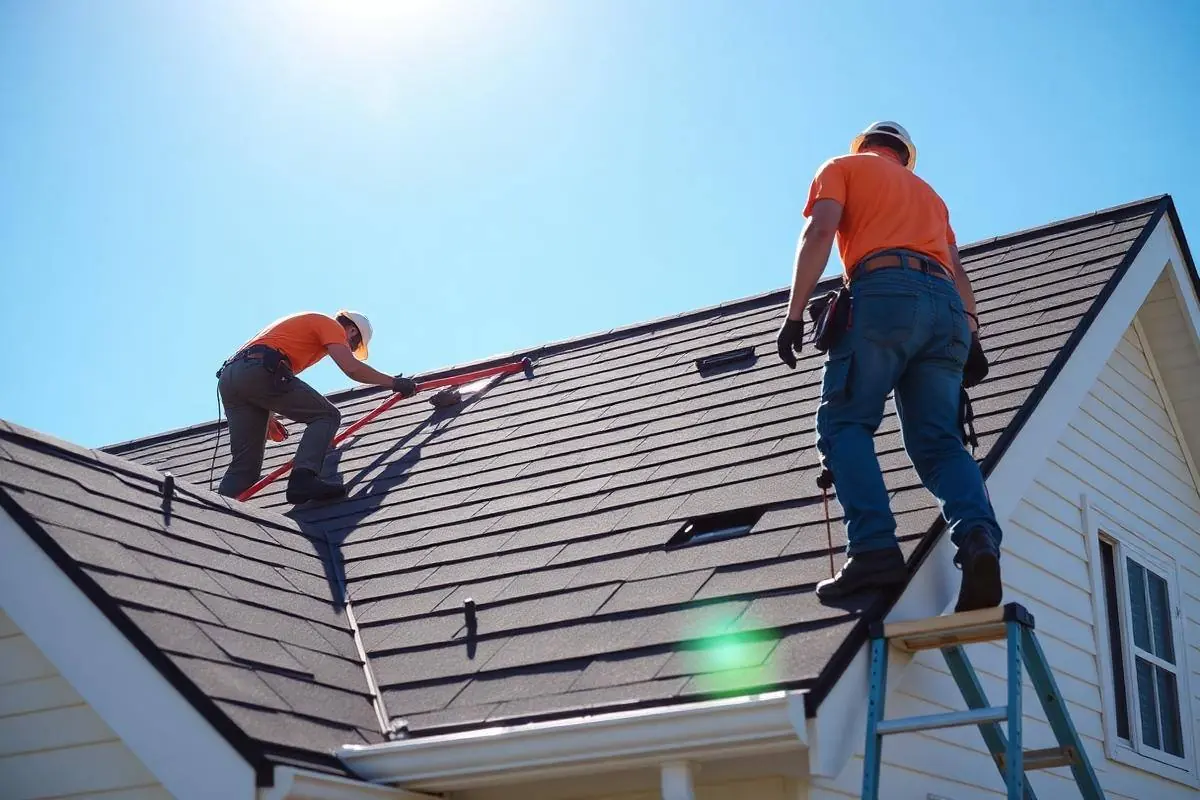
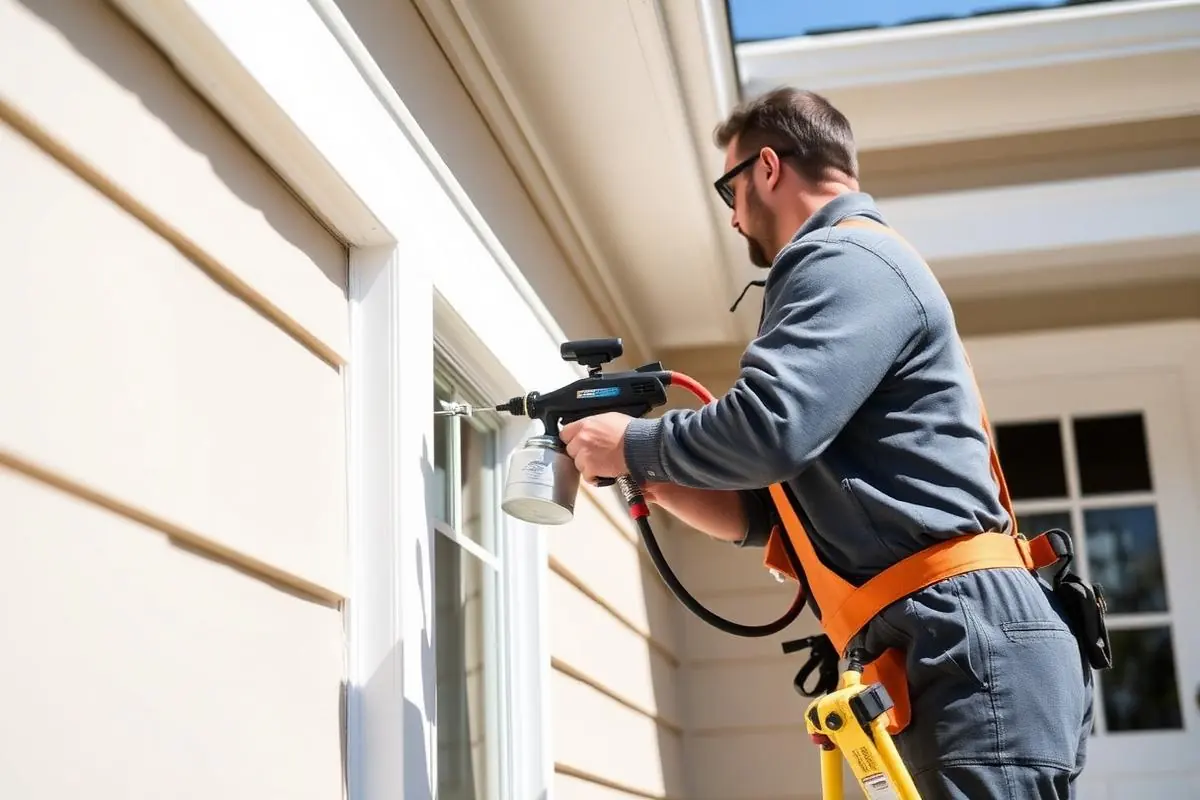

Exterior painting crew preparing siding on a Charleston home

Why Exterior Paint Fails Early in Charleston

Peeling three years after a repaint is almost never the paint's fault. It's prep, timing, and moisture in the substrate.

The short version

Paint is a system with three parts: a dry substrate, correct prep, and the right window of weather. Skip any one and the best coating on the shelf still fails.

Moisture in the wall pushes paint off

Coatings fail from behind far more often than from the front. Wood siding that reads above roughly 15% moisture content will push a fresh film off as it dries, no matter how well it went on. In a climate that runs 75% relative humidity for months, substrate moisture is the default condition, not the exception.

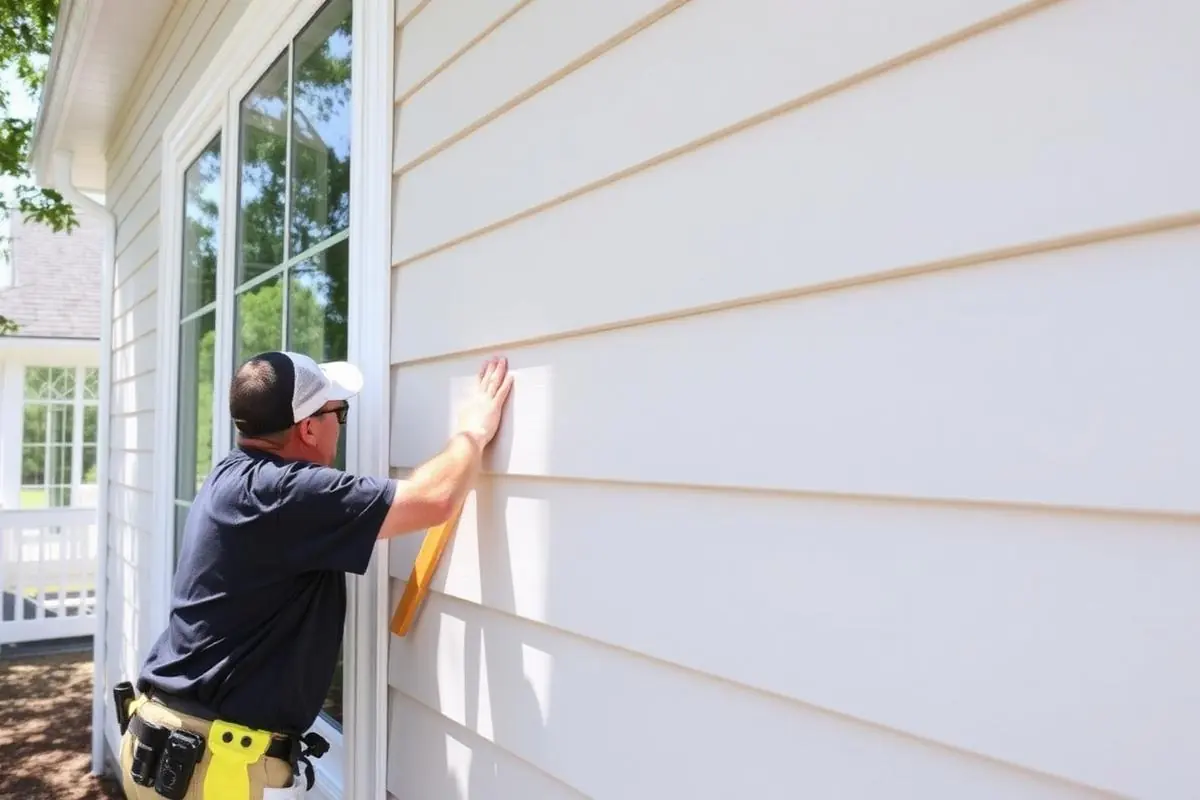
This is why we meter before we prime, and why we will move a paint date rather than paint a wall that isn't ready.
Prep is most of the job

On a coastal repaint, the majority of the labor happens before any finish coat: washing off salt and mildew spores, scraping to sound material, feathering edges, spot-priming bare wood, and replacing the sealant joints that have gone hard.

Any bid that is dramatically cheaper than the others is almost always cheaper here — in the prep — and that's exactly the part you can't see when the job is finished.

  • Wash and kill mildew, don't just paint over it
  • Scrape and feather to a sound edge
  • Spot-prime every bare area before topcoat
  • Replace failed sealant rather than caulking over it

Timing the window

Late spring and fall give the most workable stretch here. Summer afternoons push surface temperatures high enough that the film skins before it levels, and evening dew in the shoulder season can dull a coat that went on too late in the day.

We plan elevations around sun exposure for that reason: east faces in the morning, west faces after they've come off peak temperature.

Free Inspection

Request a Free Lowcountry Inspection.

We walk the whole exterior — roof, walls, openings, drainage — and tell you what's failing, what's fine, and what it costs to fix. No pressure, no guesswork.

View our Privacy Policy and Terms and Conditions.