The short version
Storms rarely destroy a well-built exterior outright. They find the weak edge — a loose drip edge, a soft fascia board, a window that was never properly flashed — and work it open. Walk the edges before the season, not after.
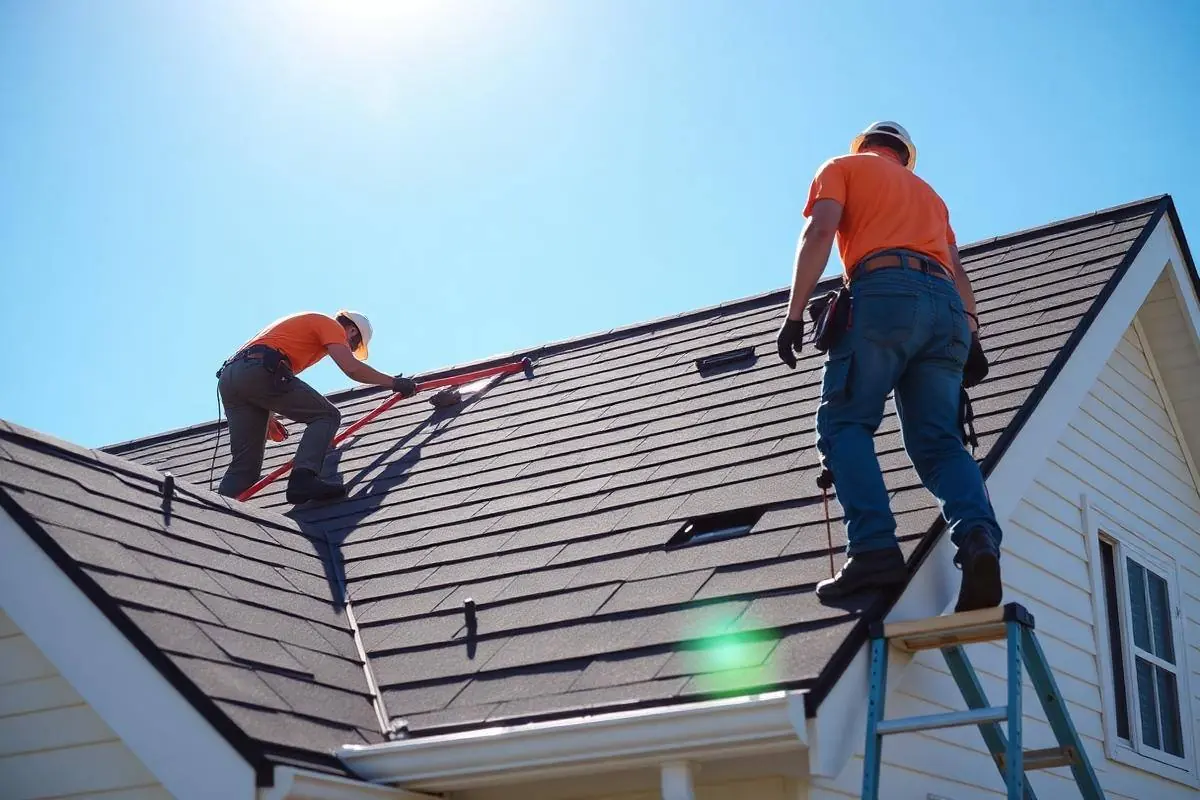
The middle of a shingle roof almost never fails first. Wind lifts at the perimeter — eaves, rakes, ridges — where uplift pressure is highest and where a single unsealed starter course gives the wind something to grab. When we inspect for storm readiness, the first fifteen minutes are spent entirely on edges.
Look for lifted or chalky shingle tabs at the rakes, exposed nail heads, drip edge that has pulled away from the fascia, and ridge cap that no longer sits flat. Any of those is a repair measured in hundreds of dollars now, or a tear-off measured in thousands after the water gets in.
- Ridge cap seated flat with no lifted corners
- Drip edge tight to the fascia along every eave and rake
- Starter course sealed — not just nailed
- No exposed or backing-out fasteners in the field
Charleston takes roughly 52 inches of rain a year, most of it in short heavy bands. Gutters that are marginal in April overflow in August, and overflow behind the fascia is how rot starts in a house that looks perfect from the street.
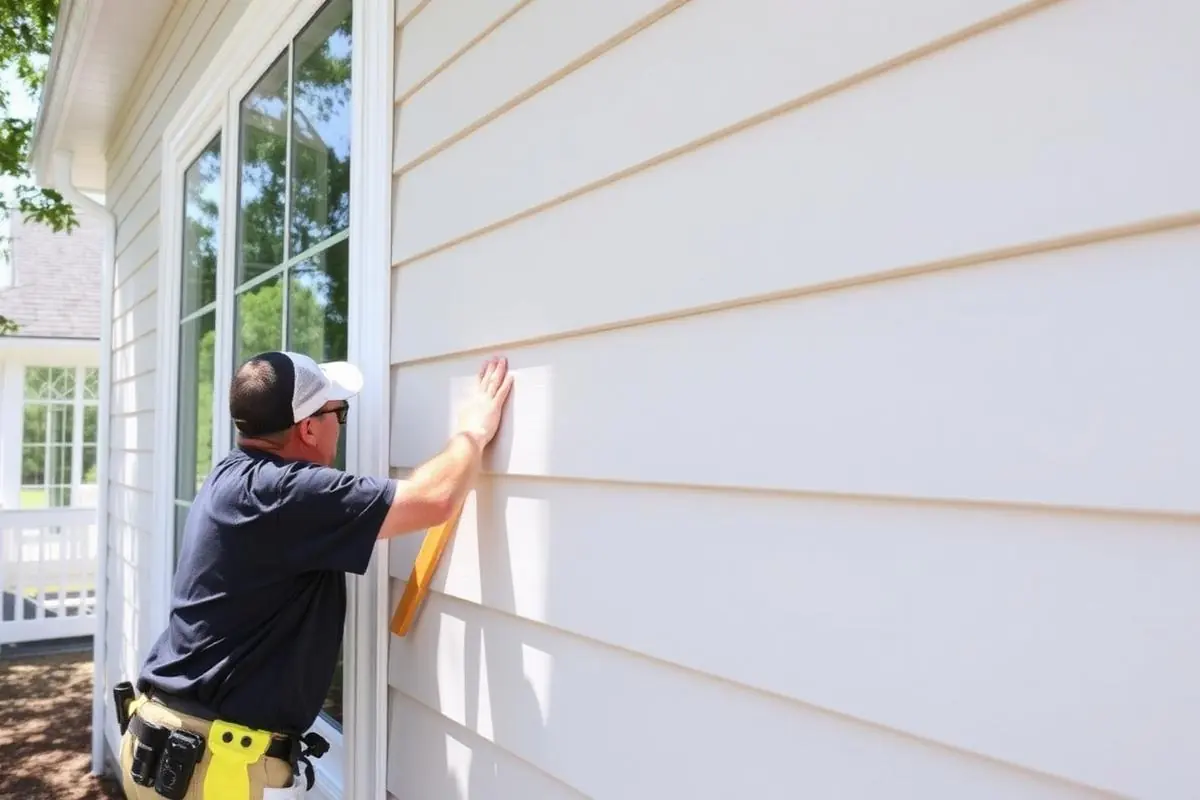
Clear the runs, confirm every downspout actually discharges away from the foundation, and check that valleys and kickout flashing send water into the gutter rather than behind the siding. Kickout flashing is the single most-skipped detail we find on homes built in the last twenty years.
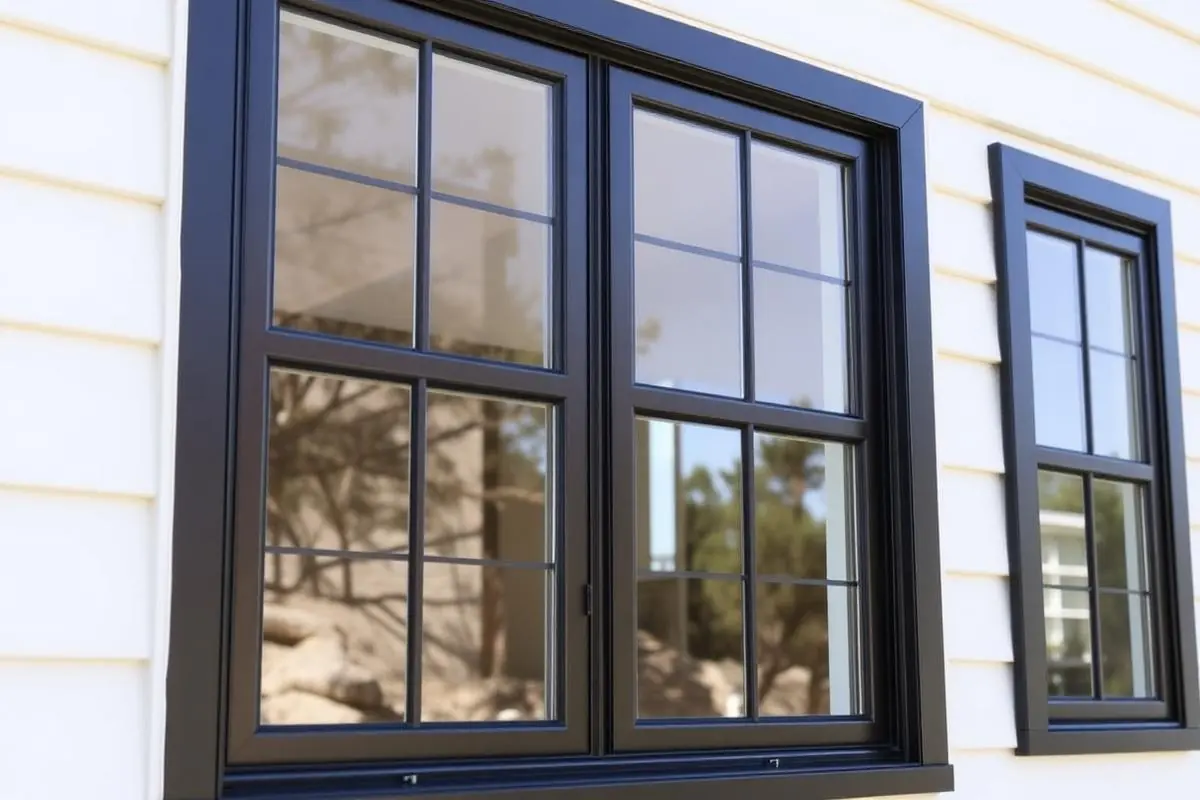
Windows and doors are the other pressure boundary. Failed sealant joints, sills that hold standing water, and shutters or hardware that were installed into siding instead of framing all show up during the first sustained blow.
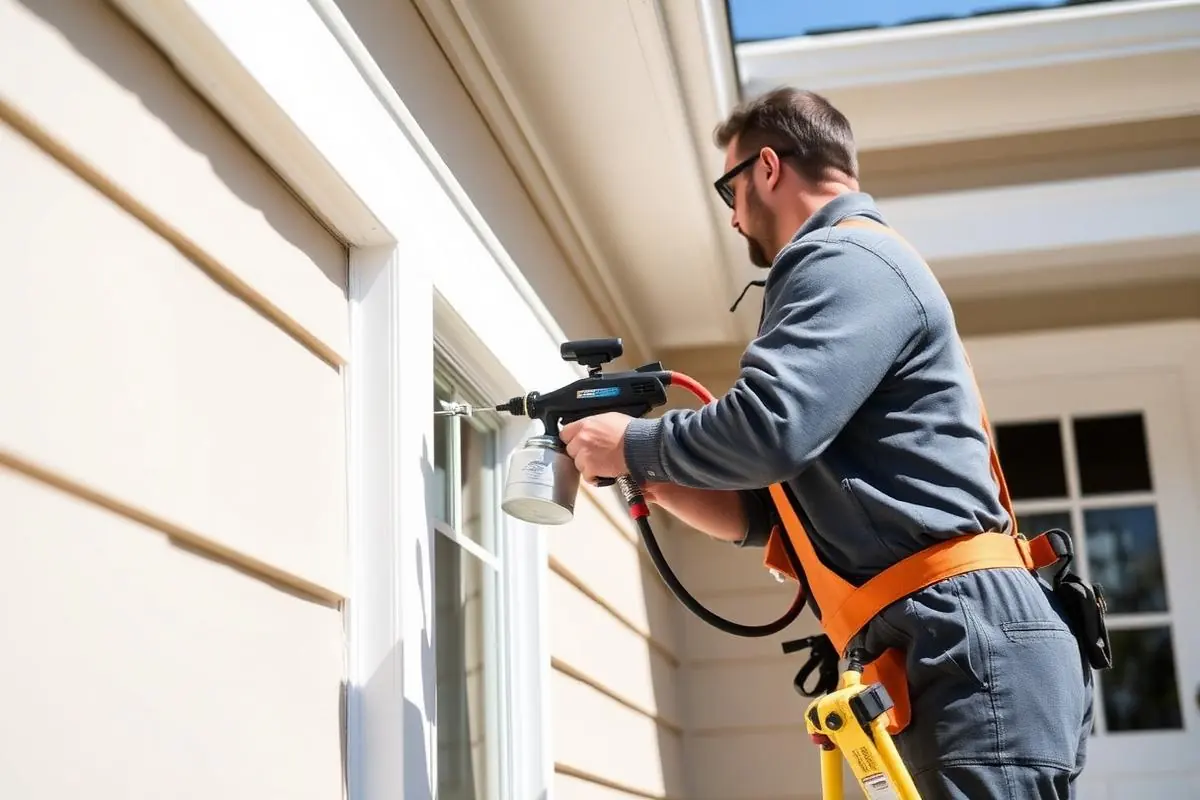
Press the sealant at the head and jambs. If it has gone hard, cracked, or pulled away in a clean line, it is no longer a seal — it is a decoration. Replace it before the season, and while you're there confirm every impact shutter anchor still bites into structure.
Photograph the roof, all four elevations, and any recently repaired detail before the season starts. If you file a claim later, dated pre-storm photos turn a debated adjuster call into a short conversation.
We provide this documentation on every inspection we run, and we keep a copy. It costs nothing and it has settled more than one claim in our clients' favor.