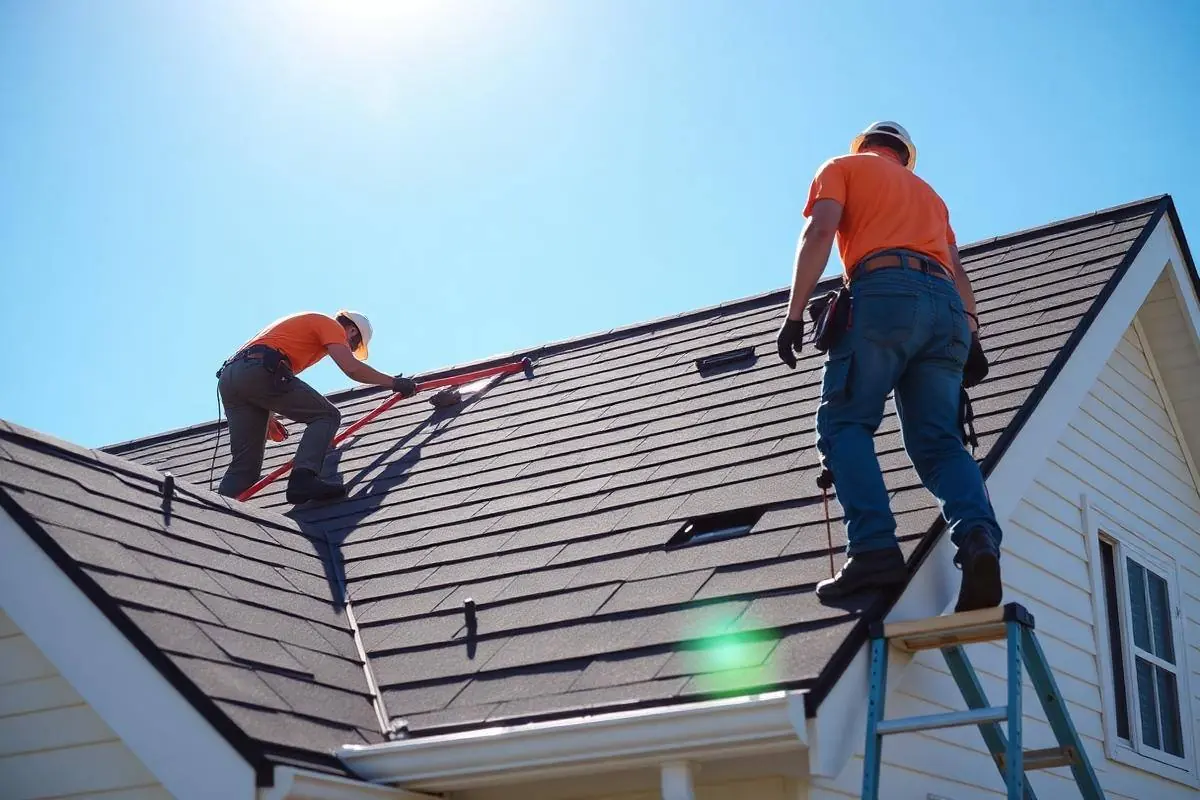
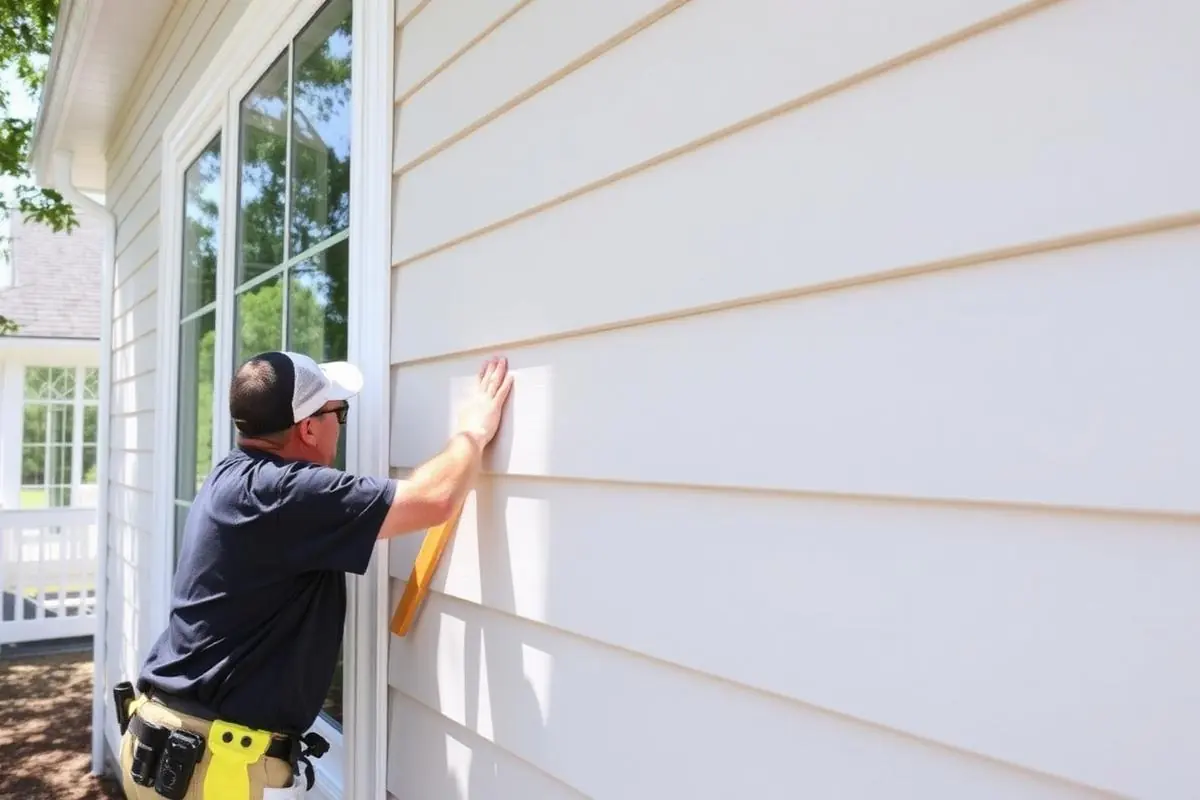

James Hardie fiber cement siding installed on a Lowcountry home

What Salt Air Actually Does to Your Siding

Corrosion, chalking, and fastener failure are not cosmetic issues near the water. Here's the mechanism, and what holds up.

Marcus Reyes, lead estimator at New Trend Exteriors, outside a Charleston homeMarcus ReyesLead EstimatorAugust 5, 2026 6 min read

The short version

Salt aerosol doesn't attack the siding panel so much as everything holding it on. Specify the fastener and the flashing metal as carefully as the cladding, or the assembly fails long before the material does.

Salt is a carrier, not just a chemical

Airborne salt settles on the wall, absorbs humidity out of the air, and stays wet far longer than rain alone would. That persistent electrolyte film is what accelerates corrosion — a coastal wall spends more hours wet than an inland wall in the same rainfall.

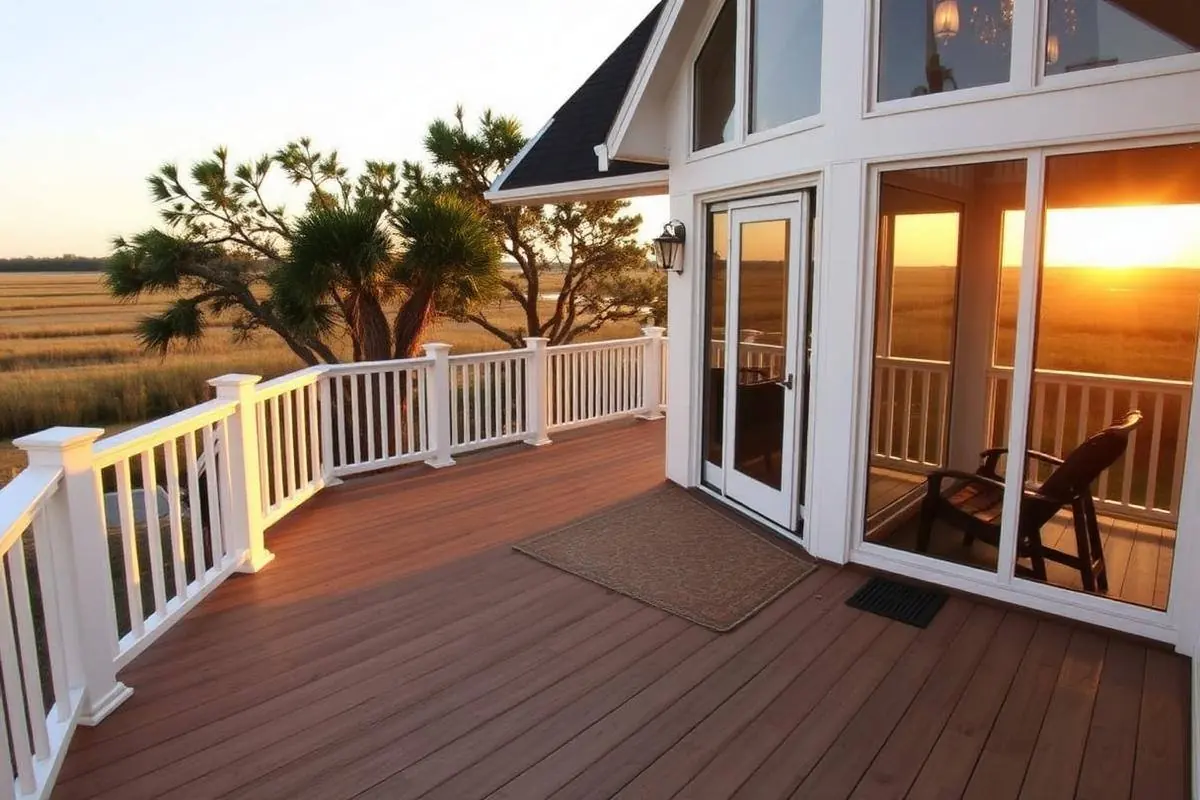
This is why homes three blocks from the marsh age differently than homes three miles inland, and why a national installation spec is not a Lowcountry installation spec.
The failures we actually find

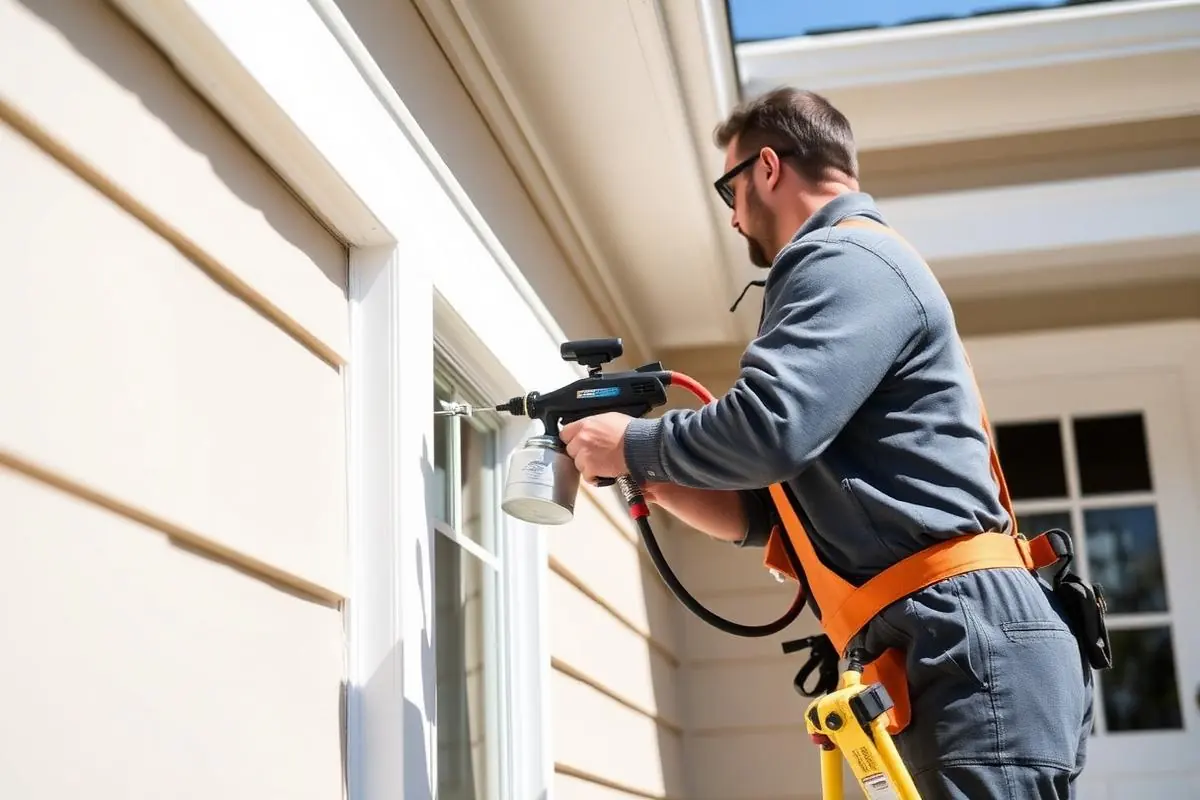
On re-side jobs near the water, the panels are often still serviceable while the assembly behind them is not. The pattern repeats:

  • Electro-galvanized nails rusting and bleeding stains down the face
  • Standard aluminum trim coil pitting where it meets dissimilar metal
  • Vinyl chalking and losing color on the south and west elevations first
  • Unsealed field cuts on fiber cement wicking moisture at the butt joints

What holds up here

Fiber cement remains the workhorse for the Lowcountry — it doesn't feed mold, doesn't melt, and holds paint through humidity swings. But the material only performs if the details follow: hot-dip galvanized or stainless fasteners, a proper drainage plane, and sealed cuts at every field-cut edge.

For homes within the first row or two of the water, we specify stainless throughout and coastal-rated trim metals. The upcharge is small; the difference in year-ten appearance is not.

Free Inspection

Request a Free Lowcountry Inspection.

We walk the whole exterior — roof, walls, openings, drainage — and tell you what's failing, what's fine, and what it costs to fix. No pressure, no guesswork.

View our Privacy Policy and Terms and Conditions.